

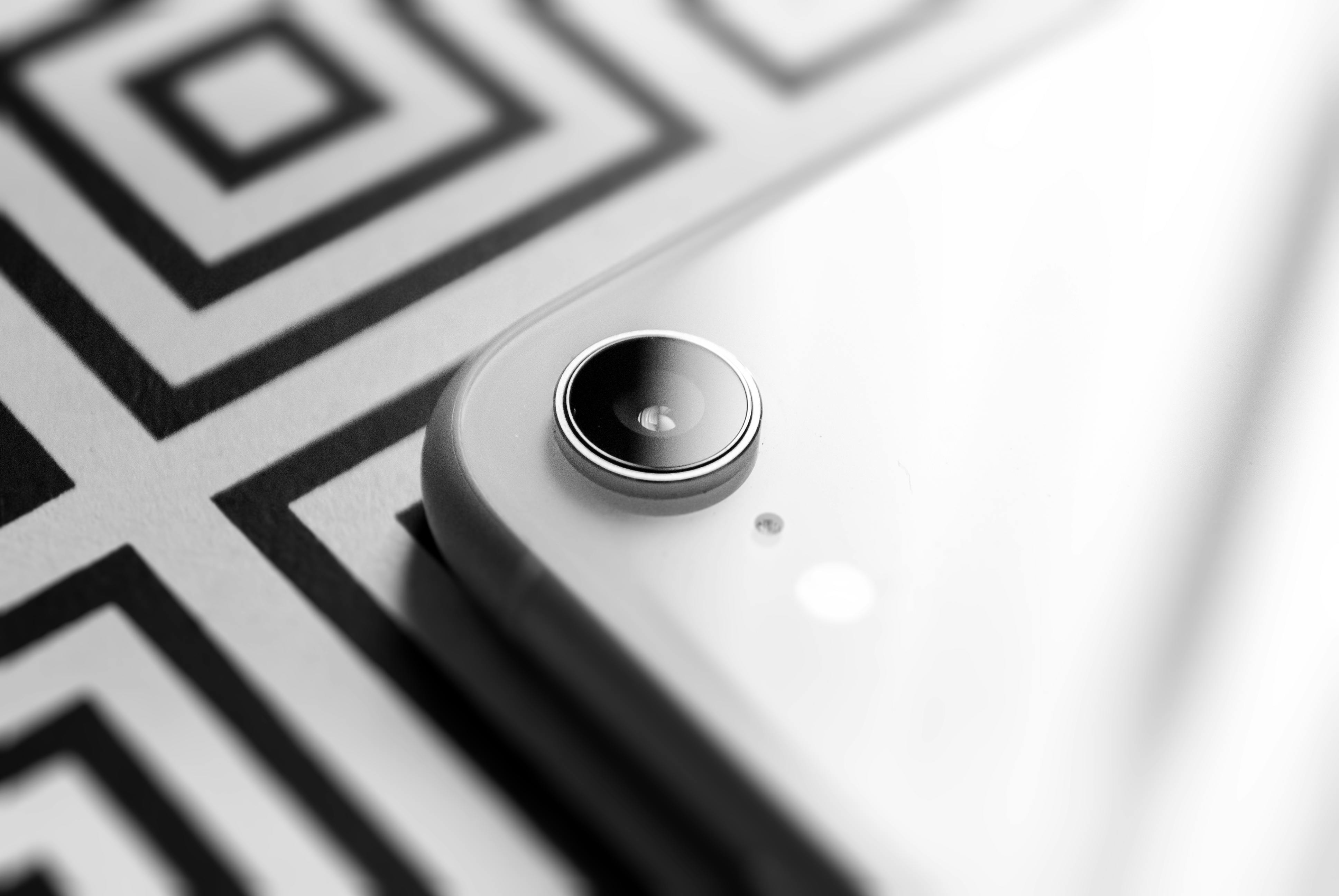
- Subject Overview: Mastering Your Mobile Optics Restoring Default Configurations For Peak Photography Performance — Key developments across Gadgets.
- Technical Context: Detailed analysis of architectural changes, product capabilities, and engineering metrics.
- Industry Impact: Key implications for software developers, startup founders, and enterprise technology adopters.
The Complexity Of Modern Mobile Photography Configurations
Contemporary smartphones are miniature supercomputers equipped with sophisticated computational photography pipelines that constantly adjust exposure focus and color balance in real time. While these advanced automated features make it effortless for casual users to capture stunning images in challenging lighting conditions they can also introduce unintended photographic artifacts when cluttered with excessive manual adjustments. Over time photographers often experiment with various exposure locks grid overlays and third-party format selections that cumulatively degrade the predictability of the native camera app. Resetting these settings back to factory defaults provides a clean slate allowing the hardware sensor and image signal processor to operate exactly as engineered by the manufacturer.
Navigating the native settings menu to clean up accumulated photographic preferences involves evaluating numerous deep configuration layers that control everything from video framerates to photographic styles. Many users inadvertently lock in specific exposure biases or aspect ratios during unique shooting scenarios and subsequently forget to revert those modifications for everyday street or portrait photography. This inconsistency leads to frustrating results where captured moments fail to meet professional expectations due to outdated software constraints rather than hardware limitations. Establishing a systematic approach to auditing and resetting these software parameters ensures that every shutter actuation relies purely on optimal optical performance rather than lingering user-applied overrides.
Furthermore software updates frequently introduce new computational imaging algorithms that interact unpredictably with legacy user configurations inherited from older operating system versions. When manufacturers deploy major firmware upgrades they optimize default profiles to leverage newly integrated neural engine capabilities and upgraded sensor architectures. If a user retains custom legacy settings these optimizations may be partially bypassed or suppressed preventing the device from delivering its maximum possible image fidelity and dynamic range. A periodic reset serves as an essential maintenance procedure that aligns personal shooting habits with the latest underlying firmware advancements ensuring consistent professional-grade results across diverse environments.
Optimizing Hardware Integration And Sensor Performance
At the core of every modern flagship smartphone lies a complex arrangement of precision glass optical elements and high-resolution CMOS image sensors designed to capture maximum light data. When users mess with advanced capture parameters such as Apple ProRAW configurations or custom photographic profiles they fundamentally alter how raw sensor data is parsed and compressed. Restoring default configurations ensures that the device utilizes its optimal balance between file size compression and preservation of highlight and shadow detail. This optimization is particularly crucial when shooting in high-contrast or low-light situations where every single photon captured by the microscopic photosites matters immensely to the final rendered output.
Lens switching behavior and macro mode triggers are another critical area heavily influenced by automated software preferences within the native camera application interface. Advanced smartphones utilize multiple physical lenses paired with machine learning algorithms to determine the optimal focal length for any given scene based on subject distance and ambient illumination. If manual focus locks or custom zoom limits are improperly configured the system may struggle to execute seamless lens transitions resulting in missed shots and soft focus errors. Resetting these operational parameters allows the internal autofocus algorithms to calibrate accurately and make lightning-fast decisions without interference from legacy user restrictions.
Storage management and export compatibility also benefit significantly from returning your mobile camera configuration parameters back to their original factory specifications. Modern capture formats like HEIC and high-efficiency video coding offer incredible compression efficiency but can occasionally create friction when transferring files across heterogeneous operating system environments. By resetting format preferences to universally supported standards or intentionally re-enabling them with full awareness of downstream workflow requirements users can eliminate frustrating file corruption and conversion bottlenecks. Balancing storage optimization with maximum editing latitude remains a delicate balancing act that is best managed from a clean standardized configuration baseline.
Streamlining Professional Workflows And Creative Control
Professional mobile creators often rely on predictable software behavior to execute fast-paced commercial shoots where every second counts and gear failure is simply not an option. When shooting conditions change rapidly in the field fumbling through deeply nested preference menus to undo accidental configuration changes can ruin a critical assignment. Maintaining a disciplined routine of resetting and verifying camera defaults before important shoots guarantees that the device responds instantaneously and predictably to manual inputs. This operational discipline eliminates cognitive load allowing the creator to focus entirely on composition lighting and storytelling rather than troubleshooting software anomalies.
Integrating mobile devices into broader professional production pipelines also demands rigorous standardization across all deployed hardware units within a creative team or studio environment. If multiple devices are utilized for a synchronized multi-angle video shoot or documentary project every single camera must be identically configured to ensure seamless color grading and exposure matching in post-production. Resetting all units to factory defaults provides a reliable method for synchronizing settings before deploying custom LUTs or manual exposure locks tailored to the specific project requirements. This meticulous attention to configuration hygiene saves countless hours of frustrating color correction during the editing phase.
Advanced lighting accessories such as external gimbals LED panels and anamorphic lenses also interact heavily with native camera software parameters requiring a standardized baseline for reliable operation. Third-party hardware controllers often communicate via Bluetooth or physical connectors to trigger shutters and adjust focus pulling requiring unobstructed software access to function correctly. By clearing out conflicting custom settings users ensure seamless peripheral integration and prevent communication timeouts between the phone and specialized filmmaking gear. This harmonious interplay between hardware accessories and clean software configurations empowers mobile journalists and indie filmmakers to achieve cinematic results that rival traditional dedicated cinema cameras.
Future-Proofing Mobile Imaging Habits And Skills
As computational photography continues to advance at a breathtaking pace incorporating generative artificial intelligence and real-time depth mapping the role of the human operator is rapidly evolving. Understanding how to reset and control the underlying software parameters of your mobile device ensures that you remain the master of the technology rather than a passive consumer of automated filters. By regularly auditing your camera configurations you develop a deeper intuition for how software algorithms interpret light and color enabling you to push the hardware to its absolute limits creatively. Embracing this disciplined approach to mobile photography guarantees sustained excellence and artistic growth in an increasingly digital world.
Related Coverage on TechRoro
- [Gadgets] Navigating the Complex Landscape of Buying Refurbished iPhones at Walmart
- [Gadgets] Navigating The Architectural Tradeoffs Of Wireless Android Auto In Modern Vehicles
- [Gadgets] DIY Plug In Solar Power Gains Ground Across American Residential Markets


