
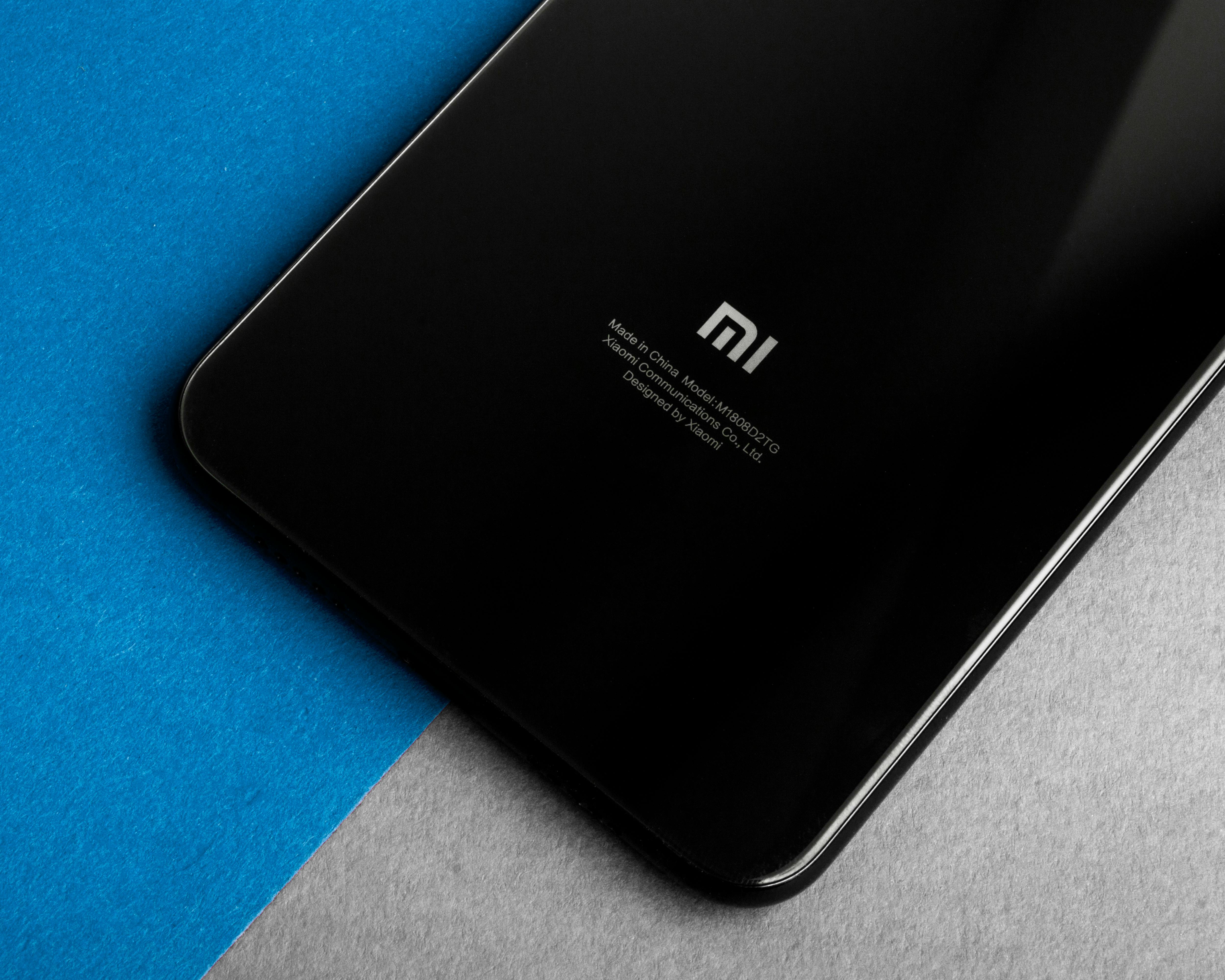
- Subject Overview: Arm Brings Next Generation Neural Rendering To Mobile Silicon Through Xiaomi — Key developments across Gaming.
- Technical Context: Detailed analysis of architectural changes, product capabilities, and engineering metrics.
- Industry Impact: Key implications for software developers, startup founders, and enterprise technology adopters.
Evolution of Mobile Graphics Architectures
The continuous push for high fidelity gaming on mobile devices has historically faced severe thermal and power constraints. Traditional rasterization pipelines struggle to maintain sustained frame rates at high resolutions without causing extreme battery drain and thermal throttling. Arm has fundamentally reimagined the graphics pipeline by integrating dedicated hardware acceleration for neural rendering directly into the silicon fabric. This architectural shift moves away from brute force pixel pushing toward intelligent, AI driven image reconstruction and upscaling techniques.
By embedding specialized tensor units within the execution units of the new graphics processing unit, developers can now offload complex shading and lighting calculations to localized neural networks. This hardware level integration ensures that AI models run with minimal latency and negligible power overhead compared to software emulation. The implications for game developers are profound, as they can now design expansive virtual worlds with complex global illumination without sacrificing the mobility and battery endurance expected by consumers today.
Industry analysts have noted that this hardware evolution represents a watershed moment for mobile platforms. For years, mobile GPUs have attempted to mimic desktop paradigms with diminishing returns due to strict thermal design power envelopes. Arm's approach acknowledges that future performance gains will not come from higher clock speeds or wider execution buses alone, but from heterogeneous computing models that blend traditional graphics pipelines with machine learning inference at every stage of the frame rendering loop.
Integration Within the Xiaomi 18 Fold
The debut of this groundbreaking graphics architecture on the Xiaomi 18 Fold marks a critical milestone for hardware software co design. Integrating such a complex IP block into a commercial foldable device requires immense engineering coordination between the silicon vendor and the device manufacturer. The unique mechanical constraints of foldable hardware demand exceptionally efficient thermal dissipation pathways, making the power efficiency gains of the new graphics subsystem absolutely essential for sustained gaming sessions.
Xiaomi has optimized its proprietary system software to work in tandem with the new graphics blocks, ensuring that game engines can seamlessly query and utilize the neural rendering pipelines. Developers targeting this new hardware can leverage updated software development kits to implement real time ray tracing enhanced by neural denoising. This combination delivers visual fidelity that rivals dedicated gaming consoles while operating well within the strict power budgets dictated by slim, folding device chassis designs.
Furthermore, the device firmware dynamically allocates thermal headroom between the foldable display driver and the graphics processor during intensive workloads. This ensures that even when running demanding titles at maximum resolution across the expansive inner screen, the system prevents sudden thermal shutdowns. The successful deployment of this silicon in a commercial product validates the maturity of the architecture and paves the way for wider global adoption in future flagship devices across the industry.
Developer Ecosystem and Pipeline Adaptations
Adapting existing game engines to leverage hardware accelerated neural rendering requires a paradigm shift for graphics engineers accustomed to traditional rendering techniques. Game studios must now incorporate lightweight neural networks into their asset creation and runtime pipelines to handle tasks such as texture upscaling, geometry generation, and atmospheric scattering. While this introduces a learning curve, the long term benefits in asset memory reduction and rendering efficiency far outweigh the initial integration hurdles.
Arm has worked extensively with major game engine creators to provide robust plugins and compilation tools that abstract away the low level hardware intricacies. Developers can utilize standard shading languages while inserting specific compiler directives that target the dedicated tensor acceleration blocks within the graphics processor. This ensures that cross platform titles can scale gracefully across vastly different hardware configurations without requiring entirely separate codebases for mobile architectures.
The developer community has responded with cautious optimism, recognizing the immense potential to reduce content creation costs. Traditionally, artists had to spend countless hours manually creating low polygon assets and compressed texture variants for mobile ports. With intelligent neural rendering handling real time detail reconstruction, studios can deploy higher quality assets directly to the device, relying on the hardware to intelligently manage visual fidelity based on current thermal and battery conditions.
Strategic Market Implications for Mobile Gaming
The rollout of advanced neural rendering architectures heralds a new era for competitive and narrative heavy gaming on handheld devices. As mobile hardware closes the gap with traditional consoles, the economic model of gaming is shifting rapidly toward cross platform parity. Consumers increasingly expect their favorite titles to be playable anywhere, without compromises in visual storytelling or multiplayer performance. This technological leap positions mobile platforms as primary revenue drivers for major publishers.
Competitors in the mobile silicon space are undoubtedly taking note of this architectural advancement, forcing a faster cadence of innovation across the entire semiconductor industry. The ability to deliver console grade graphics within a smartphone power envelope changes the competitive landscape for cloud gaming services as well. Users may find that local hardware powered by intelligent upscaling provides a superior, lag free experience compared to remote cloud streaming alternatives that suffer from network jitter.
Ultimately, Arm's strategic focus on neural rendering underscores the convergence of artificial intelligence and traditional computer graphics. As these technologies mature, the boundary between software algorithms and hardware execution will continue to blur, unlocking unprecedented levels of realism in the palm of our hands. The industry is watching closely to see how quickly these capabilities propagate to global markets and how third party developers capitalize on this newfound computational power.
Related Coverage on TechRoro
- [Gaming] Mobile Gaming Meets Competitive Strategy In The New Era Of Pocket Monster Tournaments
- [AI] OpenAI Unveils Recurrent Depth Architecture For Next Generation Reasoning Models
- [Gaming] Hardware Innovation Highlights From IFA Berlin Consumer Electronics Showcase