Hardening the Hyper-Scale Perimeter: Inside Microsoft's AI-Driven Security Architecture
Microsoft is transitioning from reactive patch management to an automated, AI-augmented security posture under its Secure Future Initiative.
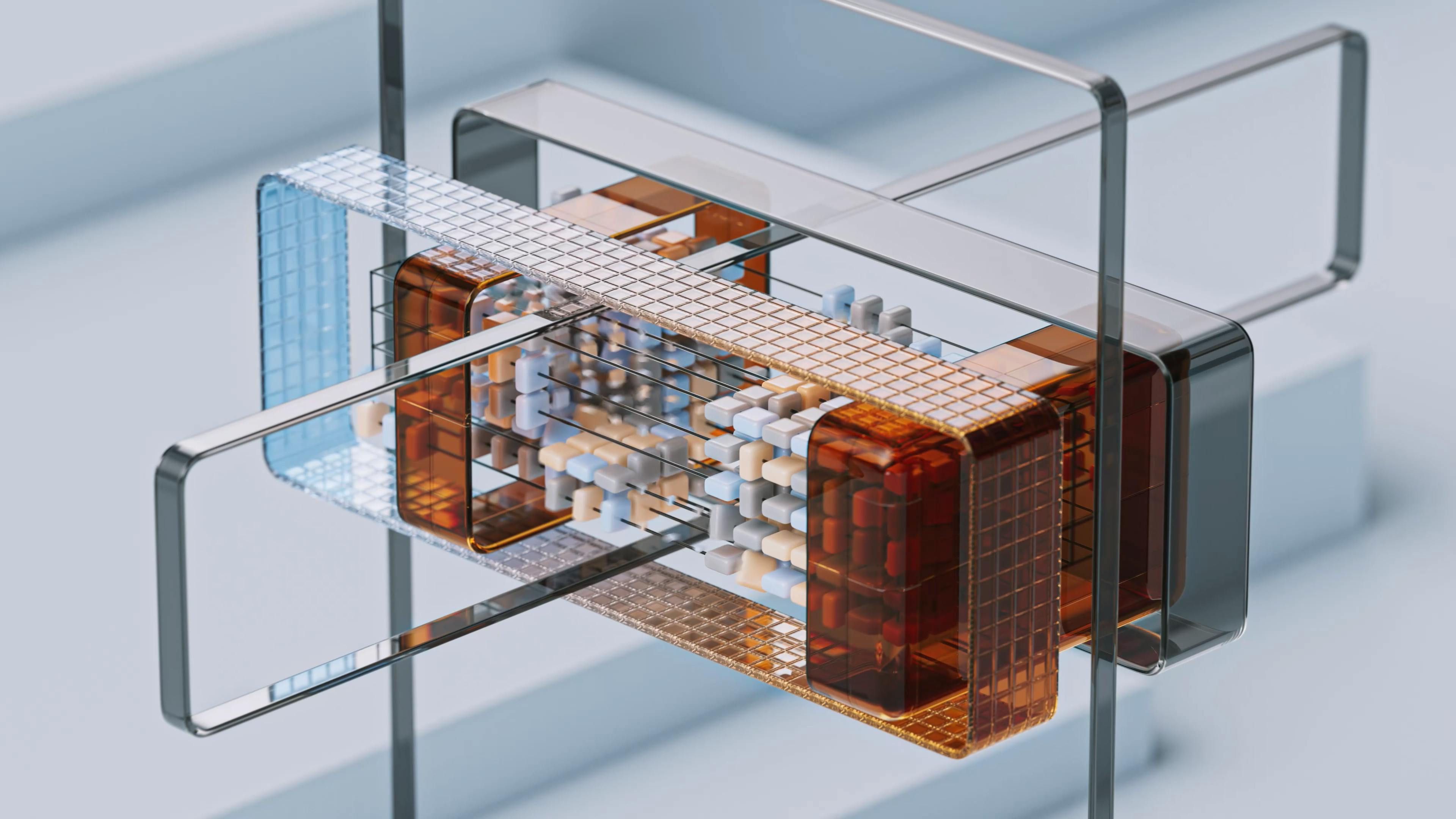
Architectural Resilience at Scale
The traditional perimeter model has evaporated, replaced by a sprawling constellation of hyper-scale cloud assets that demand defensive velocity matching the speed of contemporary adversarial automation. As organizations scale, the attack surface expands exponentially, rendering manual intervention insufficient for managing identity governance, credential rotation, and anomaly detection. Microsoft’s Secure Future Initiative (SFI) represents a structural pivot toward embedding security directly into the CI/CD pipeline, treating security telemetry as a primary data source for machine learning-based threat hunting.
Automating the Defense Lifecycle
The SFI framework operates by integrating deep operational telemetry with threat intelligence, effectively shifting security concerns left in the development lifecycle. By utilizing internal AI models trained on trillions of daily signals, the architecture continuously assesses configurations across Azure environments to detect drift from established security baselines. This automated rigor replaces intermittent audits with real-time enforcement, ensuring that microservices and containerized workloads remain compliant with hardening standards.
- Automated credential rotation for high-privilege service principals.
- Real-time isolation of anomalous API traffic patterns.
- Continuous validation of IAM (Identity and Access Management) permissions using principle-of-least-privilege heuristics.
- AI-assisted vulnerability triaging within large-scale codebases.
The Engineering Logic of Proactive Hardening
At the core of this transition is the move toward autonomous remediation. Rather than waiting for security operations centers to ingest alerts and trigger manual workflows, the infrastructure is being designed to trigger self-healing protocols. When the system identifies a non-compliant configuration—such as an improperly scoped storage bucket or a vulnerable node within a Kubernetes namespace—the underlying orchestrator applies corrective policies without human latency.
This approach draws on the concept of intent-based networking and security, where administrators define the desired state, and the underlying AI-managed fabric ensures parity between the configuration file and the runtime reality. By decoupling security enforcement from human bandwidth, the architecture mitigates the risk of configuration decay, which remains one of the most common vectors for cloud-based compromises.
Why It Matters
Security, at this scale, is no longer a human-gated process; it is a computational challenge requiring the same level of investment as the AI models being protected. The shift represented by the SFI suggests that the future of infrastructure resilience lies in the convergence of automated governance and predictive threat modeling. For the broader industry, this signals that technical debt in security architecture can no longer be deferred, as the disparity between attackers utilizing AI for orchestration and defenders relying on legacy manual controls continues to widen.



