Apple Initiates Intellectual Property Litigation Against OpenAI Over Trade Secret Misappropriation
Apple launches a high-stakes legal battle against OpenAI, alleging theft of proprietary trade secrets by former personnel now at the AI firm.
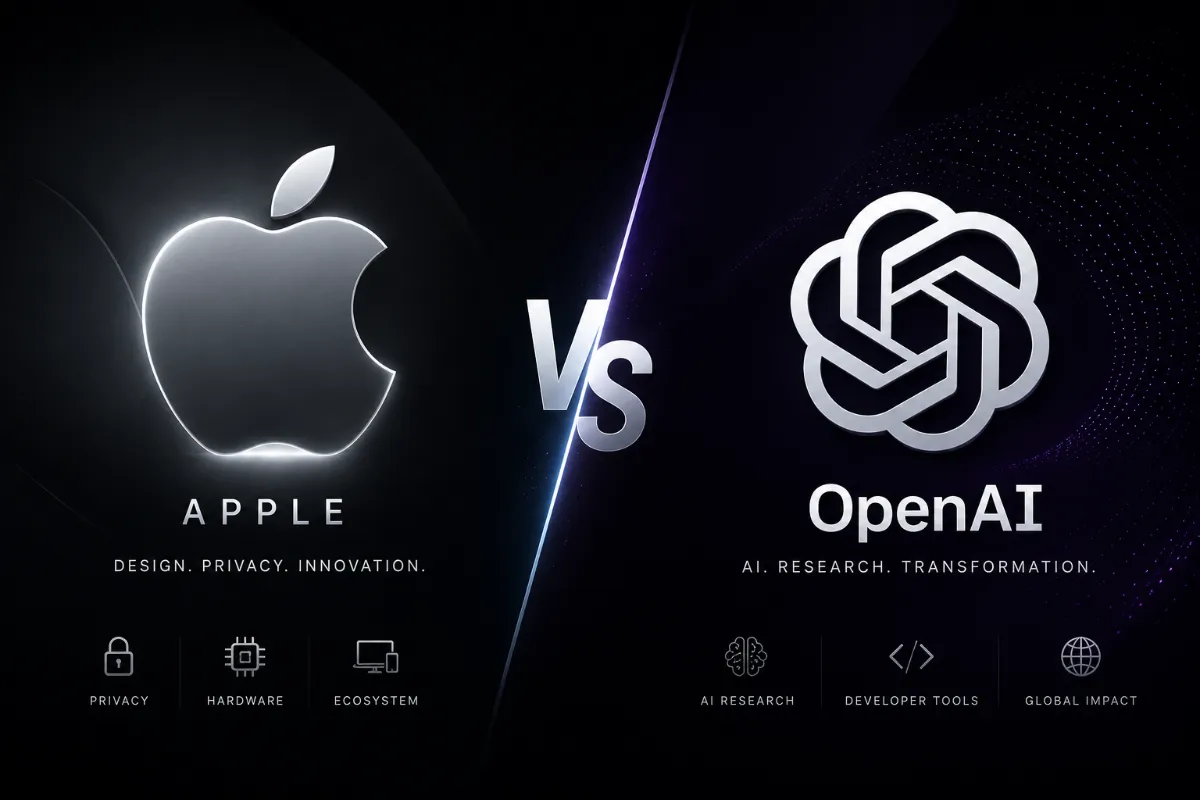
Key Takeaways
- Legal Escalation: Apple has filed a formal complaint alleging the misappropriation of trade secrets involving hardware and software integration protocols.
- Personnel Pipeline: The suit identifies a specific former Apple employee as the nexus of the leak, framing the incident as a breach of long-standing non-disclosure agreements.
- Market Impact: This litigation creates a significant chilling effect on talent mobility between hardware-focused legacy tech companies and generative AI startups.
The Anatomy of the Litigation
The tech industry is currently witnessing a historic collision between hardware-native silicon engineering and software-defined intelligence. Apple’s decision to sue OpenAI for trade secret misappropriation marks a departure from its historically guarded, quiet approach to corporate espionage. The core of the complaint centers on deep-level integration data—specifically, internal workflows that dictate how power management and neural engine compute are handled at the operating system level.
For companies in the AI space, hiring top-tier talent from firms like Apple is an standard growth tactic. However, the legal threshold for what constitutes 'transferable knowledge' versus 'protected trade secret' is being stress-tested here. If the courts rule in favor of Apple, it could effectively cripple the ability for AI firms to recruit from major hardware players, forcing a significant shift in how AI hardware-software parity is developed.
The High Cost of Talent Migration
Beyond the courtroom, this case serves as a warning for the venture ecosystem. High-velocity hiring comes with substantial liability, especially when models are fine-tuned on data that potentially touches proprietary architecture. The 'token-maxing' era of AI development has created a gold rush mentality, but as seen in this filing, the legal surface area is growing exponentially with every engineer that shifts loyalty between firms.
Market Outlook
This litigation will force an industry-wide audit of internal document handling and compliance protocols. We are moving toward a period where intellectual property walls will harden, and the friction between open-model collaboration and closed-system dominance will define the next three years of innovation. Investors should expect increased operational costs for AI firms as they are forced to implement stricter, more bureaucratic talent onboarding procedures to insulate themselves from future litigation.