Renewable Resilience: Repurposing Coal Mining Infrastructure for Industrial Scale Wind Energy
Analyzing how utility scale wind projects are transforming legacy coal mining sites into hubs for sustainable energy production in the United States.
Renewable Resilience
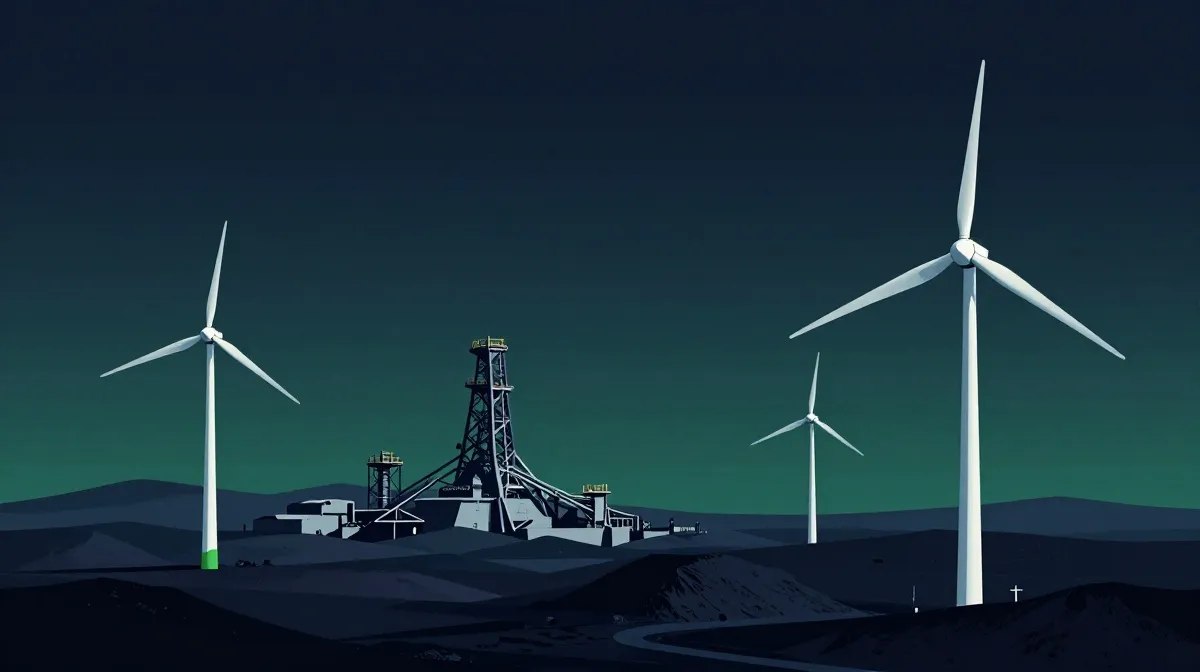
As the global energy transition accelerates, former coal mining regions across the United States are finding a new purpose. Decommissioned mining sites, once symbols of fossil-fuel-driven industrial growth, are increasingly being transformed into large-scale wind energy projects. This shift represents more than an environmental milestone—it demonstrates how legacy industrial infrastructure can be leveraged to support the next generation of clean energy development.
Unlocking Value from Existing Infrastructure
One of the primary advantages of repurposing former coal mining sites is the availability of critical energy infrastructure. Many of these locations already possess high-capacity transmission lines, substations, and grid interconnection points that were originally designed to support energy-intensive industrial operations. Developing new renewable projects on these sites allows energy companies to bypass many of the costs and delays associated with building entirely new grid connections.
In addition to electrical infrastructure, former mining regions often feature established transportation networks, including access roads and heavy-duty logistics routes. These assets simplify the transportation of wind turbine components, reducing construction costs and accelerating project timelines.
Engineering Challenges Beneath the Surface
While the benefits are significant, developing wind farms on reclaimed mining land presents unique engineering challenges. Decades of excavation activity can leave behind unstable soil conditions, requiring extensive geotechnical assessments before construction begins. Engineers must carefully evaluate land stability, settlement risks, and potential subsidence issues to ensure turbine foundations remain secure throughout their operational lifespan.
To address these concerns, developers frequently employ advanced foundation systems, including deep pile structures and reinforced concrete platforms designed to withstand long-term ground movement. These measures help maintain structural integrity while supporting turbines that can exceed 150 meters in height.
Environmental Stewardship Remains Critical
Successful redevelopment projects must balance energy generation with ongoing environmental restoration efforts. Many former mining sites are subject to long-term remediation programs focused on improving soil quality, restoring vegetation, and protecting local water resources. Wind energy operators work alongside environmental agencies to ensure construction activities do not interfere with reclamation objectives.
Modern monitoring technologies also allow developers to track ecological impacts throughout the project lifecycle, helping maintain compliance with environmental regulations while preserving local ecosystems.
The Market Outlook
The growing demand for renewable electricity, coupled with increasing pressure to modernize aging energy infrastructure, is expected to drive further investment in coal-to-wind conversion projects. As utilities seek cost-effective pathways to expand renewable generation capacity, repurposed industrial sites offer a compelling solution that combines existing infrastructure with large-scale clean energy potential.
For many former mining communities, these projects also create new economic opportunities through construction jobs, long-term maintenance roles, and local tax revenues. As renewable energy continues to expand, reclaimed industrial landscapes may become a cornerstone of the next phase of sustainable power development, proving that yesterday's energy infrastructure can play a vital role in tomorrow's energy future.