The Vibecoding Surge: Analyzing the Exponential Growth of App Store Submissions
An investigation into how AI-assisted development, or vibecoding, is fueling a massive increase in new app releases on the App Store.
The Automated Development Era
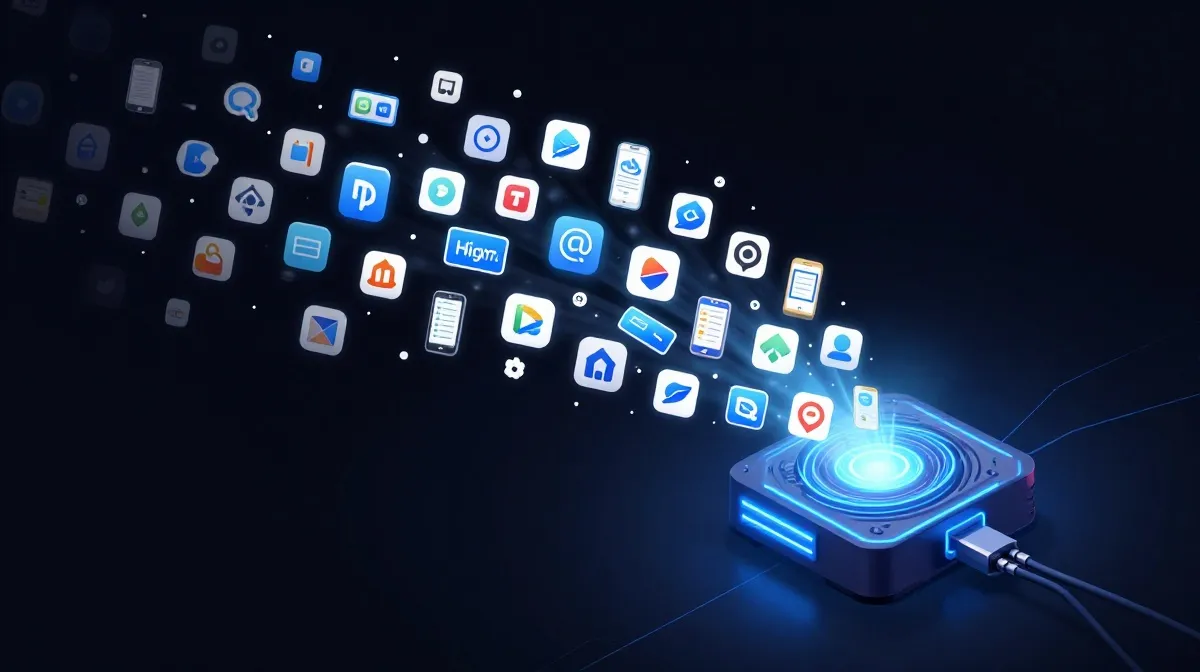
Software development is witnessing a profound shift in productivity metrics. Recent data reveals that the total number of new app submissions to the App Store in the first half of 2026 has nearly equaled the entirety of releases for the full year of 2025. This explosion in output is driven largely by the emergence of low-code and no-code AI tools, colloquially known as vibecoding. By lowering the barrier to entry, these tools allow non-technical founders and creators to conceptualize and deploy applications with unprecedented velocity.
Market Dynamics and Saturation
While the total volume of apps has surged, actual download figures have seen a marginal increase of only 2%. This disconnect highlights a critical trend: the market is becoming flooded with smaller, niche-focused tools that serve specific user needs but struggle to find mass-market adoption. Quality control and discoverability are becoming the primary hurdles for developers today. As the ease of building increases, the importance of unique value propositions and efficient user acquisition strategies is magnified.
The Role of AI in Scaling Output
AI agents assist in every phase of the development lifecycle, from scaffolding code and debugging to generating UI assets and documentation. This automation allows for rapid iteration cycles that were previously impossible for solo developers or small teams. However, this ease of production introduces a noise problem. When the supply of software outpaces organic demand, the burden of filtering for quality shifts onto the app store infrastructure itself, which must now contend with an influx of potentially low-value or redundant software.
The Big Picture
This trend signals a transformation in the economics of software creation. We are entering a phase where the cost of building is effectively zero, shifting the competitive moat from technical execution to product-market fit and community building. As developers continue to leverage AI to expedite their release pipelines, the winners in this space will be those who can rise above the noise to solve genuine, pressing human problems, rather than simply populating the store with automated code.