Unidentified Spectral Signatures on Pluto and Titan Challenge Planetary Chemistry Models
Astronomers have uncovered a light-absorbing anomaly on the surfaces of two distant worlds that defies current spectroscopic classification.
The Spectral Anomaly
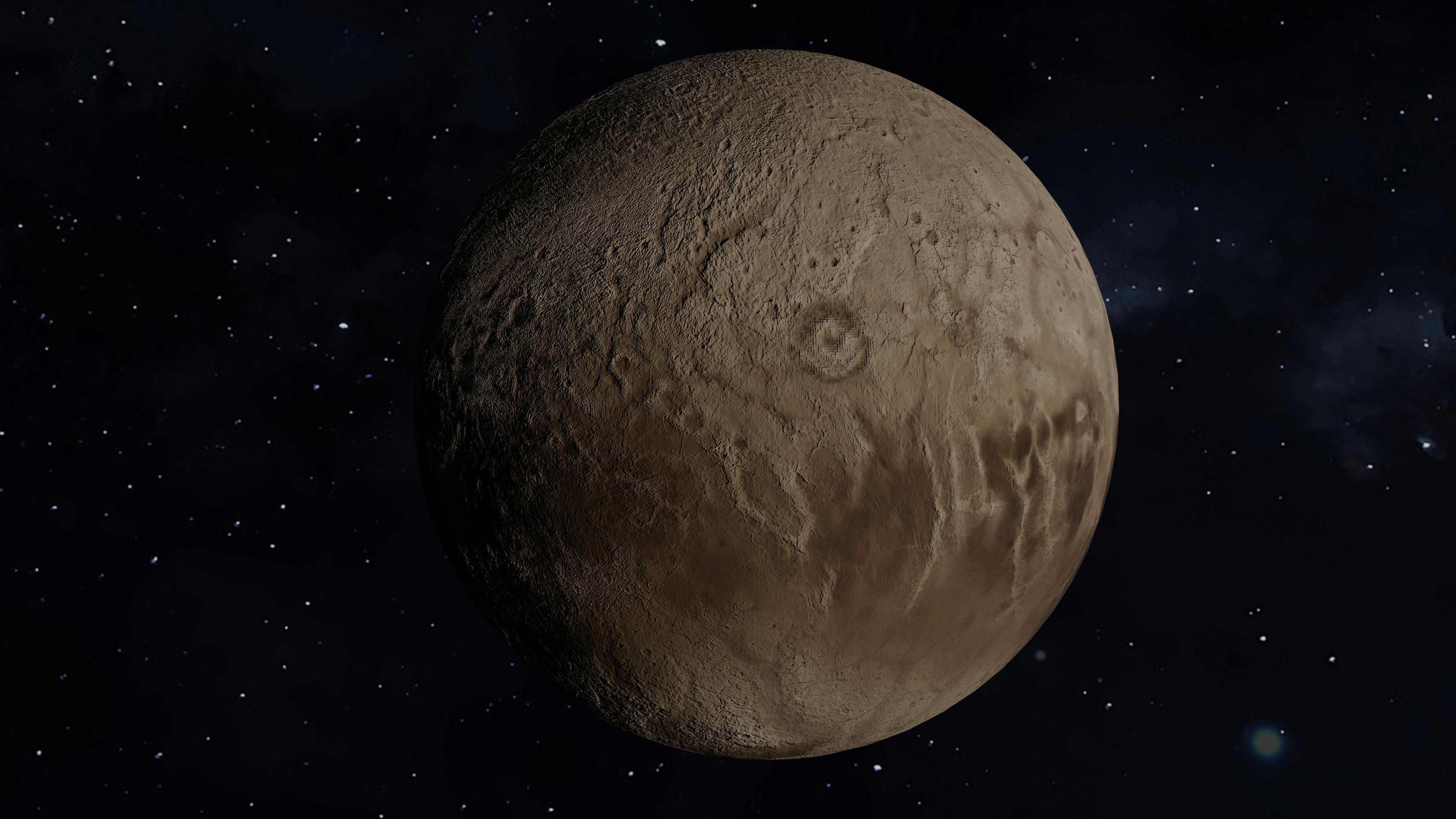
Deep-space observation programs have hit a wall. New spectroscopic data gathered from Pluto and Saturn’s moon Titan reveal the presence of a chemical signature that does not align with any known molecular structure in existing planetary databases. This unidentified compound exhibits a specific pattern of light absorption that suggests the presence of complex organic material, yet researchers cannot pin it to any known hydrocarbon or nitrogen-rich solid typically found in the outer solar system.
Challenging Known Chemistry
The findings indicate that our current understanding of cold-weather surface chemistry may be incomplete. On both Pluto and Titan, extreme cryogenic temperatures create environments where unique chemical reactions can occur, potentially building complex molecules that are impossible to replicate in Earth-bound laboratory settings. The detected absorption bands suggest the existence of a stable, long-chain compound that remains elusive to current analytical models.
Limitations in Current Data
Spectral analysis relies on cross-referencing light reflected from a surface against a library of known substances. When a reading fails to match, it typically implies either an instrument calibration error or a novel molecular configuration. Given that the phenomenon appears consistently across two distinct celestial bodies, the scientific consensus is shifting toward the latter. This forces a re-evaluation of how planetary scientists identify surface composition without the benefit of direct sample returns.
Why It Matters
The detection of this mysterious compound highlights the limitations of our remote sensing capabilities as we push further into the outer solar system. If we cannot identify the basic building blocks of these distant worlds, our ability to model their evolution or potential habitability is severely constrained. This discovery serves as a catalyst for advanced spectral modeling and suggests that the chemical inventory of the outer solar system is significantly more exotic than previous data indicated, necessitating new methods for automated detection and classification in future interplanetary missions.