Analyzing Falcon 9 Launch Aborts and Avionics Protocol Safety
Understanding the automated safety systems that trigger last-second Falcon 9 launch scrubs and their impact on orbital delivery timelines.
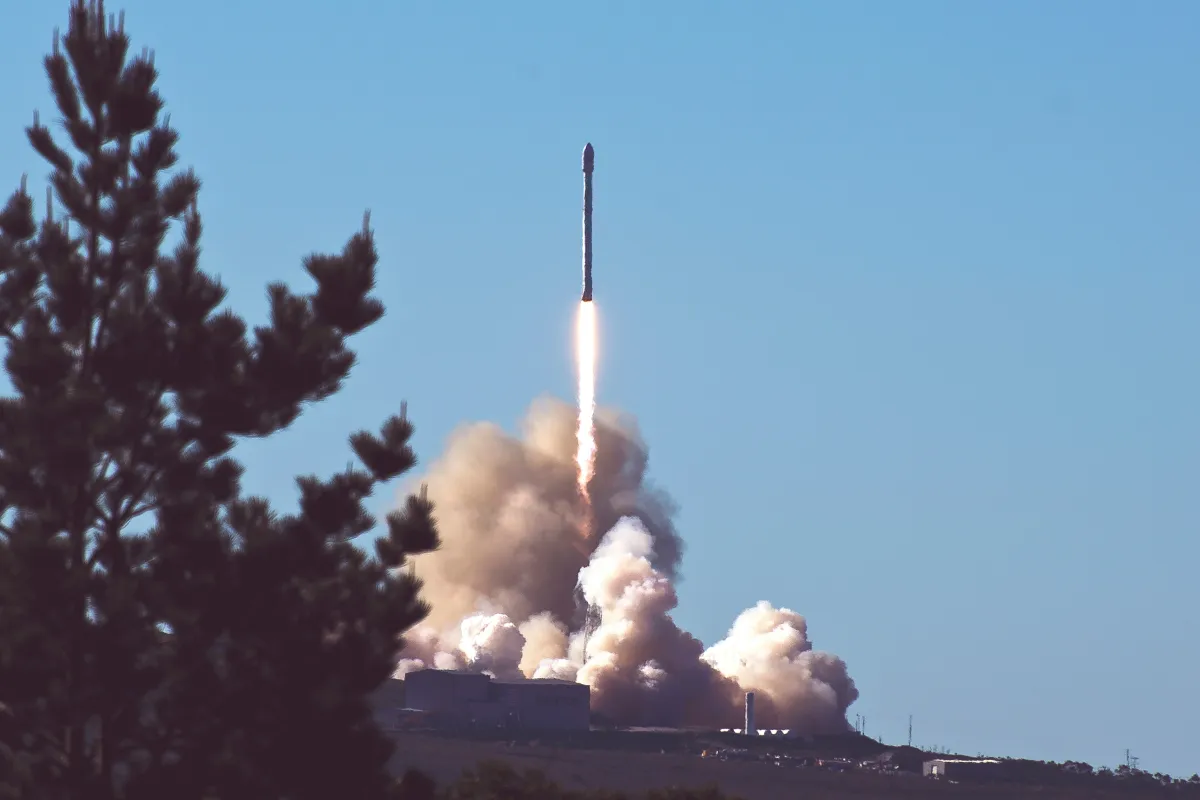
The Mechanics of Launch Aborts
SpaceX utilizes a sophisticated suite of automated flight safety sensors that monitor vehicle health during the final countdown phase. When a launch is scrubbed at the last second, it is typically the onboard flight computer detecting a deviation in sensor telemetry, pressure levels, or electrical timing within the rocket's Merlin engines. These systems are designed to err on the side of caution, prioritizing the preservation of expensive flight hardware over the convenience of a specific launch window.
The Role of Autonomous Diagnostics
In the final T-minus 60 seconds, the vehicle enters a fully autonomous state. The ground control team transitions from active monitoring to passive observation, allowing the onboard processors to verify system status without human intervention. This reliance on high-speed avionics is essential for the rapid turnaround of the Falcon 9 fleet. While repeated aborts can lead to schedule slippage, they serve as a validation that the diagnostic logic is functioning correctly to prevent catastrophic failure on the pad.
Operational Impacts of Scrubbed Missions
Frequent scrubs force logistical re-alignment for downstream satellite deployment. Each abort requires a full reset of the vehicle's propellant loads, thermal conditioning, and software cycles. For the Starlink constellation, which requires high-frequency cadence to maintain global coverage, these technical delays represent a stress test on the overall launch architecture rather than an indication of fundamental hardware flaws.
Market Outlook
The ability to reliably abort a launch sequence in milliseconds is the backbone of reusable rocketry. As SpaceX moves toward more frequent missions, the refinement of these automated safety protocols becomes increasingly vital for orbital security and the longevity of the launch infrastructure.