Tesla Expands Unsupervised Autonomous Fleet Into Miami Streets
Tesla has quietly initiated autonomous ride-hailing operations in Miami, marking a calculated expansion of its unsupervised fleet beyond its initial testing zones.
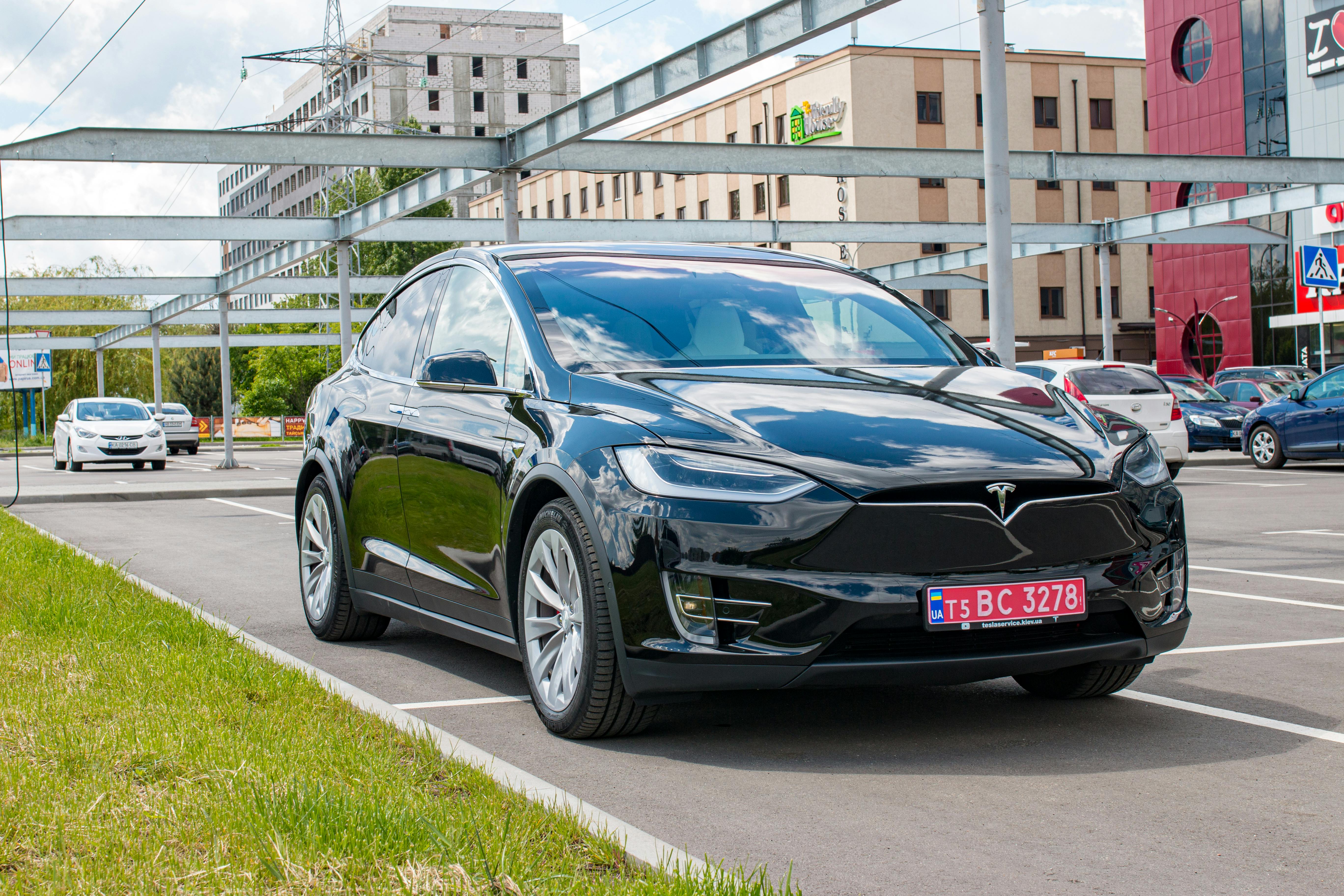
A Quiet Entry into the Florida Market
Tesla has transitioned from localized testing to active commercial deployment in Miami, introducing unsupervised autonomous ride-hailing services to the city. This move signals a significant acceleration in the company's efforts to scale its software-defined mobility stack into dense, complex urban environments.
While the exact count of vehicles currently operating remains undisclosed, the presence of these autonomous units on Miami streets confirms a shift in Tesla's operational strategy. The company is moving away from purely controlled environments, opting instead for real-world validation in one of the most high-traffic metropolitan corridors in the United States.
The Technical Hurdle of Urban Navigation
Operating in Miami presents unique challenges compared to the arid, grid-based layouts of previous testing grounds. Between volatile weather patterns and high-density pedestrian traffic, the local environment serves as a stress test for Tesla's current iteration of its full self-driving architecture.
For developers and infrastructure observers, the primary interest lies in how the fleet handles the transition from highway-centric data to complex inner-city maneuvers. Tesla’s approach relies on its proprietary vision-based neural networks, which must now contend with a greater variety of edge cases found in Miami’s unique traffic ecosystem. The performance of these vehicles over the coming months will likely dictate the speed of expansion into other East Coast markets.
Competitive Positioning
This deployment places Tesla in direct proximity to other established autonomous players who have spent years navigating the city's complex regulatory and physical topography. By leveraging its existing fleet footprint, Tesla is attempting to sidestep the capital-intensive hardware rollouts required by competitors who rely on LiDAR-heavy sensor suites.
This strategy hinges on the assumption that software iteration speed can outpace the traditional reliance on expensive hardware redundancy. Whether this gambit succeeds will depend on the stability of the system when faced with the unpredictability of Florida’s road conditions.
Why It Matters
The arrival of Tesla’s robotaxis in Miami represents a pivotal test for the scalability of end-to-end neural networks in autonomous transportation. By moving into a high-density, high-risk urban zone without the crutch of remote human intervention, Tesla is essentially betting its reputation on the maturity of its vision stack. If successful, this deployment could compress the timeline for nationwide fleet adoption, effectively turning millions of existing vehicles into revenue-generating nodes on the company’s emerging mobility network.