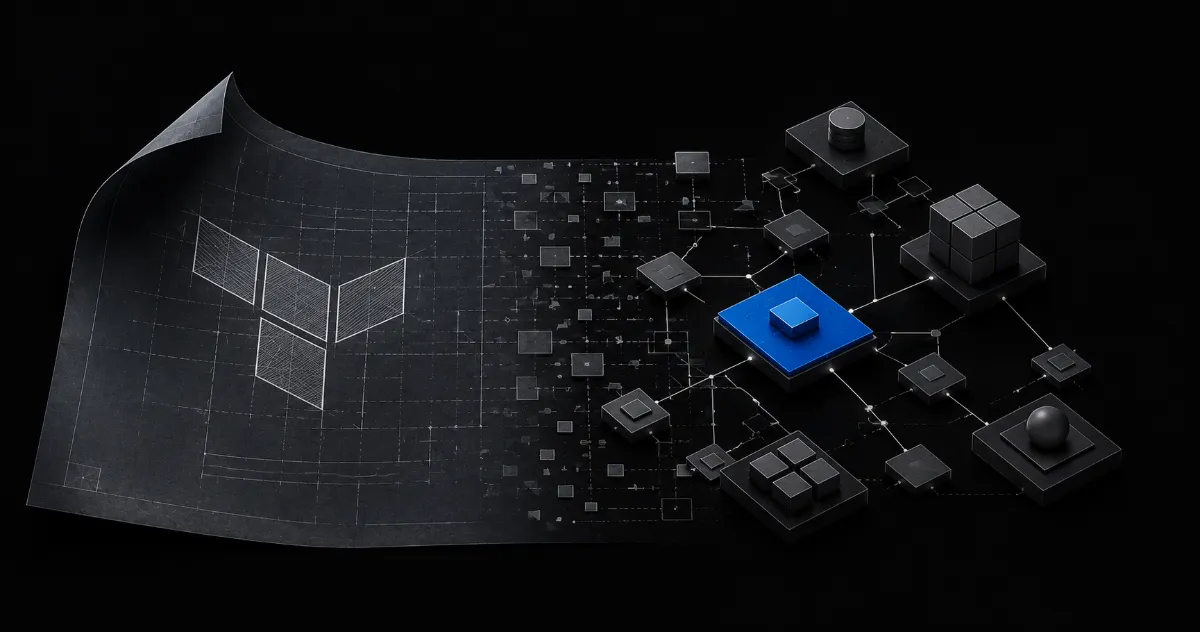
Scaling Robotics: How the Transformer-Transformer Architecture Modernizes Motion Control
Discover the latest breakthrough in motion-conditioned robot co-design, leveraging unified model architectures to streamline complex robotic movement.
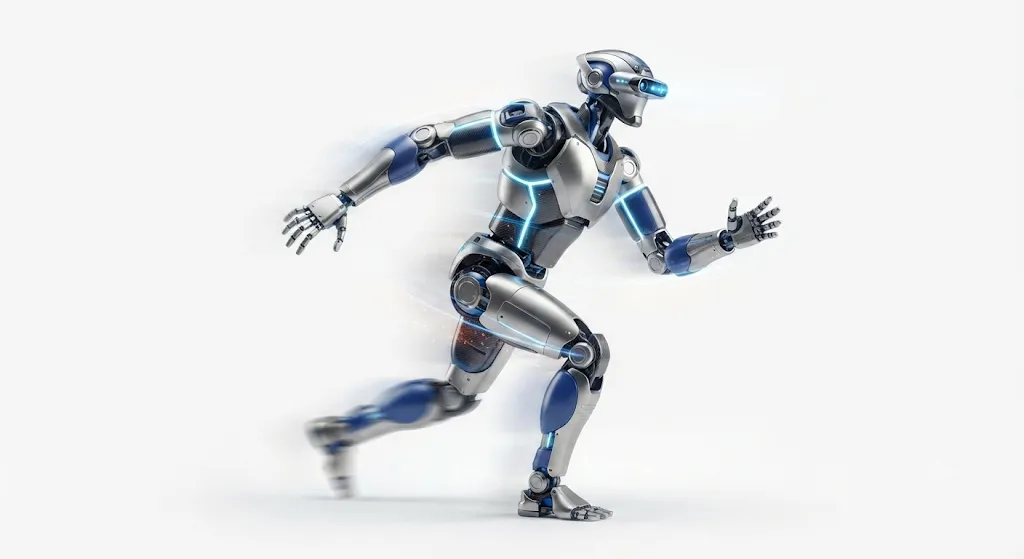
Redefining Robotic Motion with Unified Architectures
Recent advancements in robotic co-design have introduced a novel architecture known as the Transformer-Transformer, a unified approach designed to handle motion-conditioned tasks with unprecedented precision. By treating the physical characteristics of a robot and the intended motion task as two distinct but interrelated streams of data, this model optimizes how machines execute movements in dynamic, unpredictable environments. This represents a substantial shift from traditional, rigid control algorithms toward more flexible, learning-based frameworks.
Core Mechanics of the Motion Transformer
The architecture functions by mapping high-dimensional state spaces directly into latent representations that both the robot body and the task planner can understand. Unlike traditional controllers that require explicit manual tuning for different kinematic configurations, the Transformer-Transformer approach learns the relationship between joint geometry and environmental constraints autonomously. This allows for a modular design process where robots can adapt to new physical configurations—such as adding a third arm or changing a gripper—without needing a full overhaul of their underlying motion code.
Streamlining Development Pipelines
The ability to co-design robot body features with their intelligence software significantly reduces the time-to-market for specialized automation hardware. Engineering teams can now simulate thousands of physical variations within a unified transformer framework, identifying the optimal geometry that maximizes efficiency for a specific set of tasks. This pipeline drastically reduces the reliance on physical prototyping, enabling a faster iterative process that mirrors the rapid software development cycles seen in AI model training.
The Road Ahead
As we integrate more sophisticated learning models into physical hardware, the focus must remain on the synergy between the mechanical design and the computational logic. The Transformer-Transformer model provides the necessary framework to unify these two fields, creating a pathway for more versatile, intelligent robotics. In the coming years, we expect this approach to define the standard for industrial and service-oriented robotics, enabling machines to perform complex tasks with human-like adaptability.