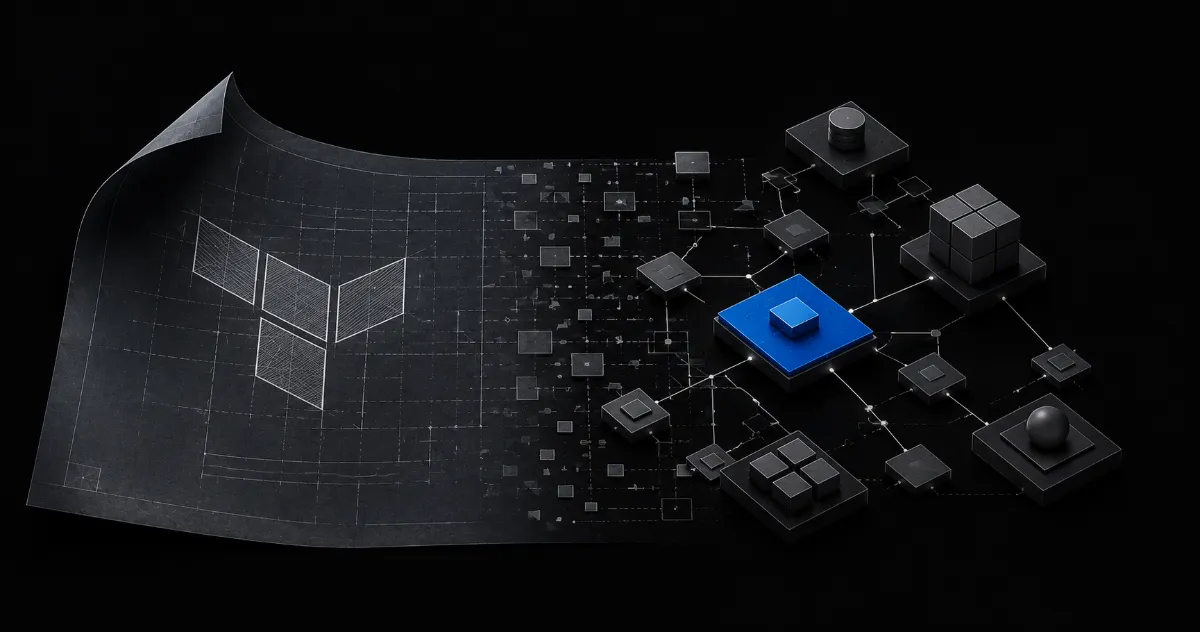
The Sovereignty Battle: Zuckerberg and the Decentralized AI Future
Meta CEO Mark Zuckerberg critiques the centralized control of AI infrastructure, advocating for open access models.

A Shift in Competitive Strategy
Mark Zuckerberg's recent public critique of centralized AI development underscores a significant pivot in how Silicon Valley incumbents are positioning themselves against closed ecosystem leaders like OpenAI and Google. By advocating for open models, Meta is attempting to democratize access to high performance architectures, which fundamentally shifts the power dynamic in the generative AI landscape.
The Risks of Centralization
Centralized AI development creates a bottleneck where a handful of companies control the primary advancements in model safety, performance, and application. Zuckerberg argues that this concentrated power limits the scope of innovation and creates single points of failure. By pushing for open weight models, Meta is encouraging a broader developer ecosystem to participate in the optimization and deployment of these systems, theoretically leading to more robust and versatile infrastructure.
Competitive Implications for Developers
For the developer ecosystem, this stance is a double-edged sword. While access to powerful open source models enables rapid prototyping and cost reduction, it also creates an environment where differentiating through proprietary model fine tuning becomes more challenging. The battle between centralized and decentralized AI will likely be fought on the terrain of model performance, inference cost, and the ease of deploying custom logic atop base models.
The Big Picture
This debate is not merely about technical philosophy; it is about who sets the standards for the next decade of computing. By positioning itself as the leader of the open model movement, Meta is aligning its interests with the developer community, hoping to foster an ecosystem where their underlying architecture becomes the de facto standard. Whether this strategy will successfully counter the moat built by closed-model companies remains the central question for the industry.