Liquid Interactive Challenges Static AI with Dynamic Visual Media
Maple Scan founders secure funding to evolve AI interfaces beyond text prompts into interactive visual experiences.

Beyond the LLM Interface
The prevailing obsession with text based generative AI models has obscured a massive opportunity in visual interactivity. Liquid Interactive, the newest venture from the minds behind Maple Scan, aims to break the mold by shifting the focus from simple text prompt generation to fluid, interactive visual media. Backed by AXL, the company is building an architectural framework that treats visual data as a living, breathing interface rather than a static output of a diffusion process.
Architecting Visual Interactivity
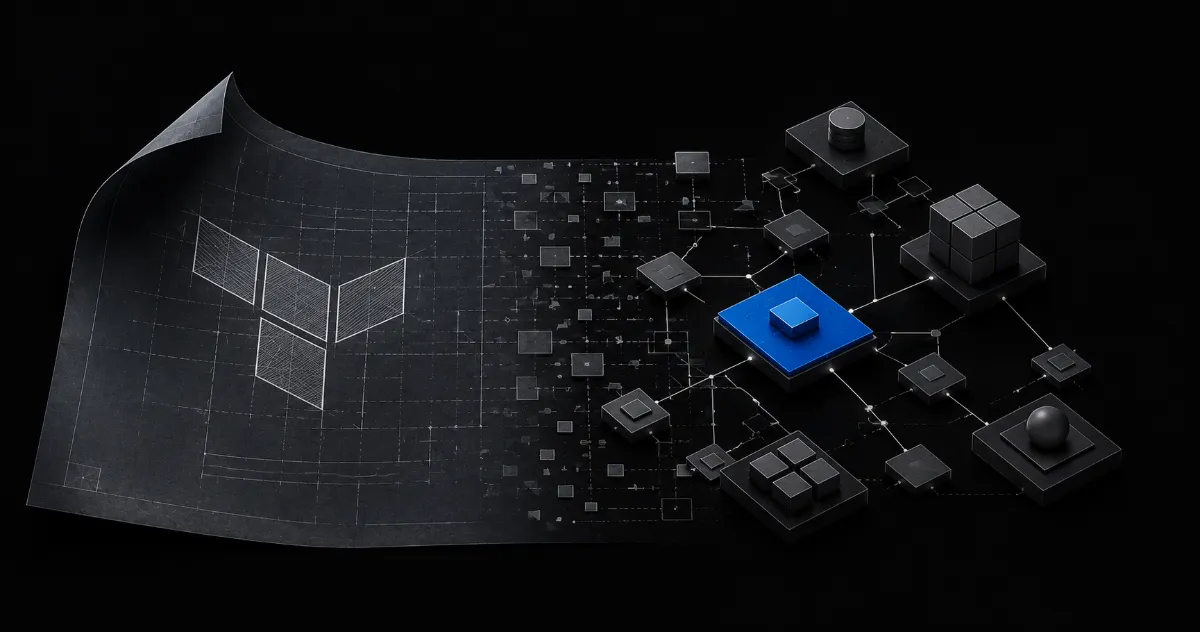
At the core of the platform is an engine that allows for real time manipulation and engagement with synthetic visual content. This is a departure from the one-way street of generation, where a user prompts and waits for a static response. By creating a pipeline where components of an image or video are addressable, indexable, and interactive, the company is enabling a new class of enterprise and creative applications that were previously impossible with traditional transformer models.
Technical Roadmap
The development team is focusing on lowering latency in visual rendering to ensure that interactivity feels instantaneous. This requires a shift in how inference is handled, moving away from high cost, high latency cloud processing toward more efficient, edge aware architectures. By optimizing the tokenization of visual elements, they hope to make complex interactive scenes as responsive as a standard web page.
The Big Picture
We are reaching the limits of what pure text can provide as an interface for human computer interaction. Liquid Interactive represents a necessary evolution toward a more intuitive, visual medium. If the company can prove that this model of interactivity scales, it will fundamentally change how enterprises handle visual assets, moving them from passive containers to active, responsive environments. The backing from AXL suggests confidence that this pivot away from text-centricity is the correct long term move.