The One Person Empire: How AI Orchestration is Decimating Agency Overheads
Small, AI-powered solo businesses are challenging traditional agency structures by leveraging autonomous workflows to replace legacy administrative roles.

The Obsolescence of Traditional Agency Overhead
For years, the agency model has thrived on the inefficiency of human coordination. High billable rates were justified by the need to manage projects, handle administrative churn, and provide a buffer of human resources. However, the emergence of highly capable agentic AI frameworks is rendering this model increasingly obsolete. A single operator, equipped with an orchestrated stack of autonomous tools, can now execute deliverables that once required a team of five, effectively collapsing the cost of service delivery and challenging the value proposition of large, multi-layered agencies.
The Architecture of Autonomous Operations
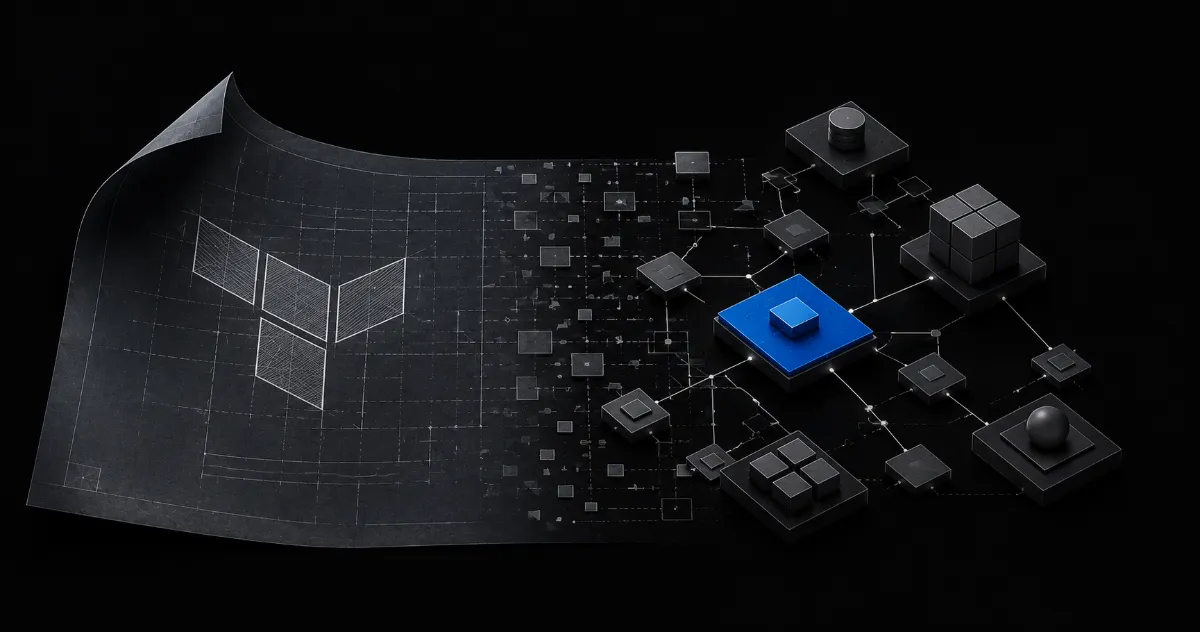
At the core of the one-person business revolution is the integration of stateless agents that can contextually manage tasks across disparate SaaS environments. This workflow involves the deployment of specialized AI modules for customer communication, project management, and quality assurance. By automating the mundane, repetitive tasks that consume 70% of an agency employee's day, the solo founder can focus on high-value creative output and strategic client consulting. This shift is not merely about productivity gains, but about a total reorganization of the cost-to-revenue ratio in professional services.
Reconsidering Value and Pricing
This structural pivot changes how prices are determined in the marketplace. When an agency spends less on operational overhead, it can pass those savings to the client, undercutting competitors who remain tethered to traditional, headcount-heavy business models. We are seeing a race to the bottom in terms of operational costs, but a race to the top for output quality. The ultimate winner is the client, who receives faster, more accurate work at a fraction of the historical cost. This creates a difficult environment for incumbents to defend their market share without fundamentally restructuring their internal technical stack.
The Big Picture
As the barriers to entry for complex business processes continue to fall, we will likely see a surge in specialized, ultra-lean businesses that operate with the efficiency of a massive corporation. This is the era of the sovereign founder, where the ability to manage and orchestrate AI tools is the primary competitive advantage. Traditional agencies will need to move quickly to integrate these agentic workflows, or they risk being replaced by the nimble, high-efficiency architectures of the modern solo enterprise.