Analyzing the Aesthetics of Early Computing: The User Interface Legacy of the Demo Scene
An exploration of how the underground demo scene pioneered complex, high density user interface designs that influenced modern software aesthetics.
The Artistic Roots of Technical Interfaces
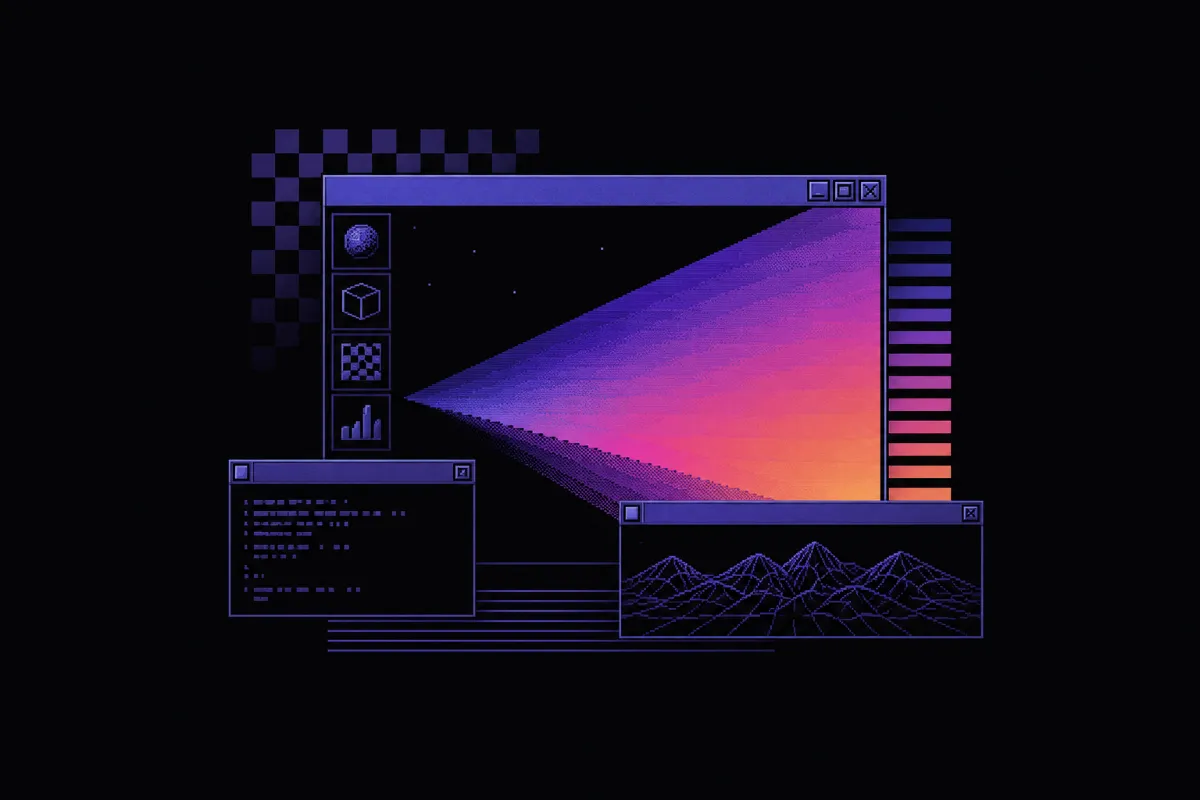
Long before modern design systems dominated the software industry, the demo scene—a subculture of programmers and artists pushing hardware to its absolute limits—was crafting sophisticated user interfaces that defied traditional constraints. These interfaces were not merely functional; they were artistic statements that showcased the raw power of assembly language and custom memory management. Examining these early UI patterns reveals how constraints forced designers to invent clever, space-efficient widgets and navigation flows that are still relevant in resource-constrained environments today.
Design Constraints as Innovation Drivers
The demo scene operated under extreme hardware limitations, often having only a few kilobytes of total memory to render complex graphical overlays. This forced developers to rethink how users interact with machines. Instead of bloated libraries, they turned to pixel-perfect design, unconventional input handling, and multi-layered visual feedback. The result was a distinct visual language characterized by high-density data visualization and rapid, fluid transitions that feel modern even by today’s standards.
Lessons for Modern Software Design
In our current era of hardware abundance, it is easy to forget the value of lean UI architecture. Modern developers often rely on massive frameworks that introduce significant latency, whereas demo scene interfaces were optimized for near-instant interaction. By studying the techniques used to build these vintage interfaces, contemporary design teams can learn how to balance visual flair with extreme performance, ensuring that interfaces remain responsive regardless of the underlying computational complexity.
Market Outlook
While the demo scene may seem like a historical curiosity to some, its influence on current software engineering is undeniable. The focus on high-fidelity, high-performance interface design is making a comeback as the industry moves toward more sophisticated edge computing and on-device AI tools. Understanding these foundational design principles will be a key differentiator for the next generation of software architects who aim to combine beautiful aesthetics with uncompromising performance.