Scaling Browser Based Communications: WhatsApp Web Introduces Native Calling Features
WhatsApp expands its web interface capabilities by integrating native audio and video calling, narrowing the gap between browser and mobile application experiences.
Architectural Evolution in Web Messaging
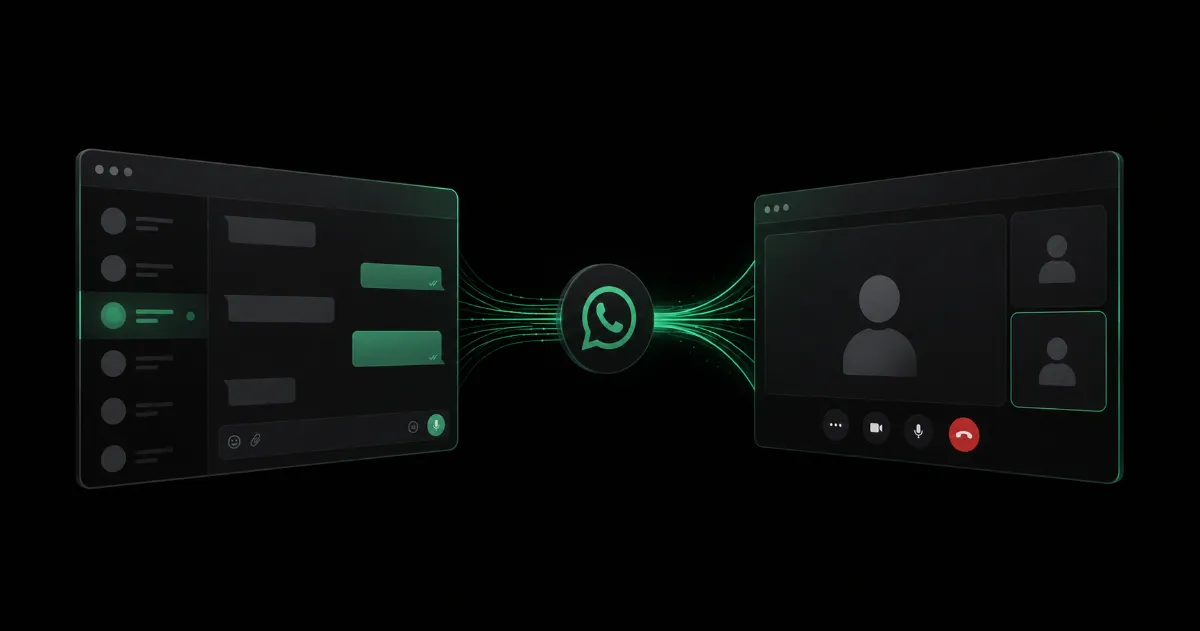
WhatsApp has officially expanded the capabilities of its web interface by integrating native support for end-to-end encrypted audio and video calls. This long awaited feature signals a significant shift in how the platform manages real-time communication across disparate endpoints. By leveraging WebRTC protocols directly within the browser, the application bypasses the need for secondary bridge software or reliance on mobile device tethering for voice and video streams, provided the desktop environment is active.
Technical Implementation and Security
The integration of direct calling within the browser utilizes the same end-to-end encryption standards that have defined the mobile experience. From a technical perspective, the browser maintains a secure signaling channel that establishes a peer-to-peer connection for media transport. This effectively minimizes latency and maintains the high privacy standards users have come to expect. Developers interested in the underlying implementation will note that the browser handles the negotiation of media codecs, such as Opus for audio and VP9 for video, to optimize performance across varying network conditions.
Enhancing User Productivity
The introduction of this feature is primarily aimed at enterprise and power users who spend their working hours within the browser. By enabling communication without the need to switch devices, the workflow remains fluid and uninterrupted. This addition, combined with existing capabilities like multi-device support, transforms the browser interface from a simple message relay into a robust communication hub. It also allows for smoother integration with browser-based enterprise tools and document management systems.
Streamlining the Browser Ecosystem
This update is part of a broader trend where major messaging platforms are converging their web and native desktop experiences. By standardizing feature sets across platforms, the company simplifies its maintenance overhead while improving feature parity for the end-user. As the browser continues to evolve into a full-featured operating environment, we can expect to see even deeper integrations that leverage the browser's access to hardware sensors and real-time APIs.
The Road Ahead
With audio and video calling now a reality on the web, the focus shifts to how these browser-native communications will integrate with future AI features. As real-time transcription, translation, and sentiment analysis tools become more common in enterprise suites, the ability to process these streams directly within the browser will offer a significant advantage to productivity tools. This is a clear indicator that the browser is becoming the primary interface for professional interaction, with messaging platforms leading the charge toward a unified digital workspace.