Architecting Narrative Branching: Exploring the Technical Design of Silent Hill Townfall
An analysis of the branching narrative systems and structural complexity behind the upcoming Silent Hill Townfall, focusing on player agency and ending mechanics.
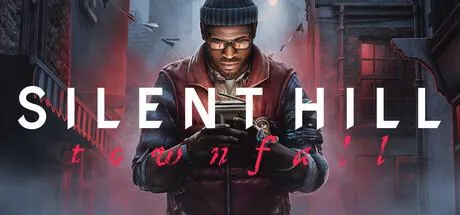
The Architecture of Narrative Complexity
Modern narrative design has evolved from linear storytelling into intricate decision trees that demand rigorous architectural planning. In the context of Silent Hill Townfall, the revelation that the game will feature five distinct endings signals a significant commitment to replayability and player agency. This complexity requires a robust state management system where every choice acts as a variable in a larger combinatorial puzzle. By mapping out these paths, the development team creates a framework that forces players to navigate psychological tensions rather than just mechanical challenges.
Systems Level Branching Mechanics
Branching narratives in horror titles function similarly to database queries where specific conditions must be met to trigger particular outcomes. In Silent Hill Townfall, the integration of five endings suggests a layered logic tree where hidden variables, acquired items, or previous actions influence the game state. This approach prevents a one size fits all experience, instead opting for a nuanced flow that rewards observation and exploration. The technical overhead of tracking these variables necessitates careful optimization to ensure that the game engine remains responsive while maintaining the atmospheric weight of the environment.
Psychological Tension in Game Systems
Horror is fundamentally about the management of information and expectations. When a developer offers multiple conclusions, they are essentially inviting the user to treat the game world as a sandbox for consequences. The psychological impact of seeing different versions of the story stems from the realization that one choice could lead to entirely disparate outcomes. By separating these endings through clear yet subtle pathways, the studio manages to create a coherent sense of dread that remains persistent across every potential iteration of the narrative.
Comparative Analysis of Ending Architectures
| Feature | Silent Hill Townfall | Traditional Horror | Modern RPG Logic |
|---|---|---|---|
| Ending Count | 5 Distinct Paths | 1 to 2 | 10+ Variable Based |
| Replay Value | High | Low | Very High |
| Logic Complexity | Moderate Branching | Minimal | Deep State Tracking |
| Narrative Focus | Atmospheric Decay | Immediate Scares | World Building |
The Design Philosophy of Atmosphere
Creating a sense of place requires more than just high resolution textures or advanced lighting engines. It relies on the subtle arrangement of assets and the deliberate pacing of auditory cues to build a persistent state of unease. In Silent Hill Townfall, the focus on atmospheric design appears to be the primary engine driving the experience. By stripping away extraneous UI elements and forcing the player to rely on environmental storytelling, the developers achieve a higher level of immersion that feels raw and unfiltered. This intentional design choice transforms the screen into a window rather than a game board, allowing the terror to bleed into the player consciousness.
The Real World Impact
By prioritizing a multi ending structure, the team behind the game is signaling a shift toward more deliberate engagement. It forces players to pause and reflect on their actions, rather than rushing through the experience to reach a predetermined conclusion. This approach to narrative architecture serves as a blueprint for how modern developers can utilize branching paths to increase the longevity of their software, proving that sophisticated design is the key to sustained interest in the horror genre.
The Road Ahead
As we look forward to the release of this title, the focus remains on whether these narrative branches can maintain a consistent tone across all five iterations. Managing five distinct, impactful endings while maintaining the core identity of a franchise is a monumental task that requires precise execution. If successful, Silent Hill Townfall will set a new standard for how psychological horror can leverage system design to enhance narrative depth, ensuring its place as a significant contribution to the genre. The technical and creative synergy demonstrated here suggests that the future of interactive horror lies in the meticulous crafting of consequences, where every digital choice leaves a permanent mark on the virtual world.