Scientific Integrity Watch Retracts Study On DNA Damage And Valine Abundancy
A notable retraction in the journal Nature highlights the necessity of rigorous data verification in biomedical research.
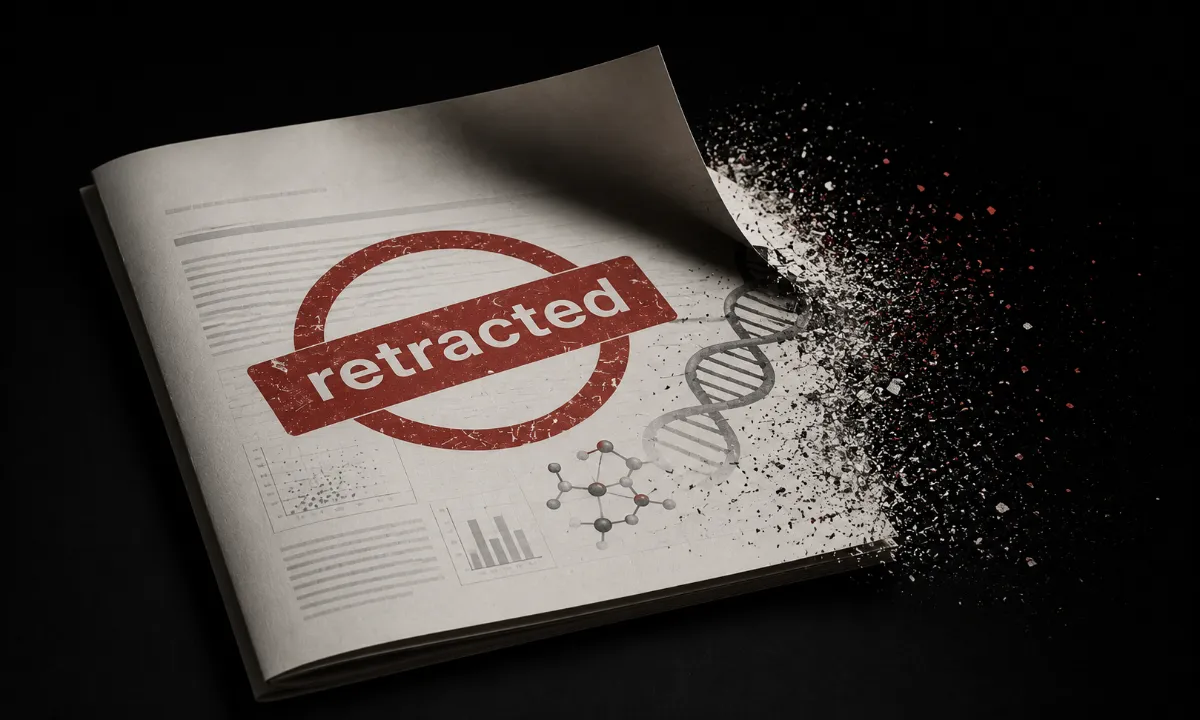
The Importance of Peer Review
The scientific community has issued a formal retraction regarding a recent study on how HDAC6 senses valine abundancy to regulate DNA damage. The retraction serves as a reminder that even high profile research is subject to rigorous post publication scrutiny and must be treated with caution until verified.
Understanding the Research Conflict
The original study claimed a novel mechanism by which cellular nutrient sensing impacts DNA repair. Discrepancies in the underlying dataset led to internal reviews that ultimately determined the data was not sufficiently robust to support the initial findings. This process is a vital part of the scientific self correcting mechanism.
Impact on the Field
Retractions are not failures of science; they are failures of specific research claims. The underlying question of how metabolism influences DNA health remains open. The community is now tasked with reevaluating the current consensus and looking for alternative explanations for the phenomena originally described.
The Road Ahead
Transparency in data reporting is the only way to avoid these situations in the future. Journals are increasingly mandating open data and code availability, a trend that will only strengthen the reliability of future biomedical literature and ensure that public trust in science remains intact.