NASA Satellite Data Tracks Massive Seaweed Bloom Threatening Coastal Areas
Record levels of sargassum are being monitored as the brown seaweed encroaches on Caribbean and Gulf coastlines.
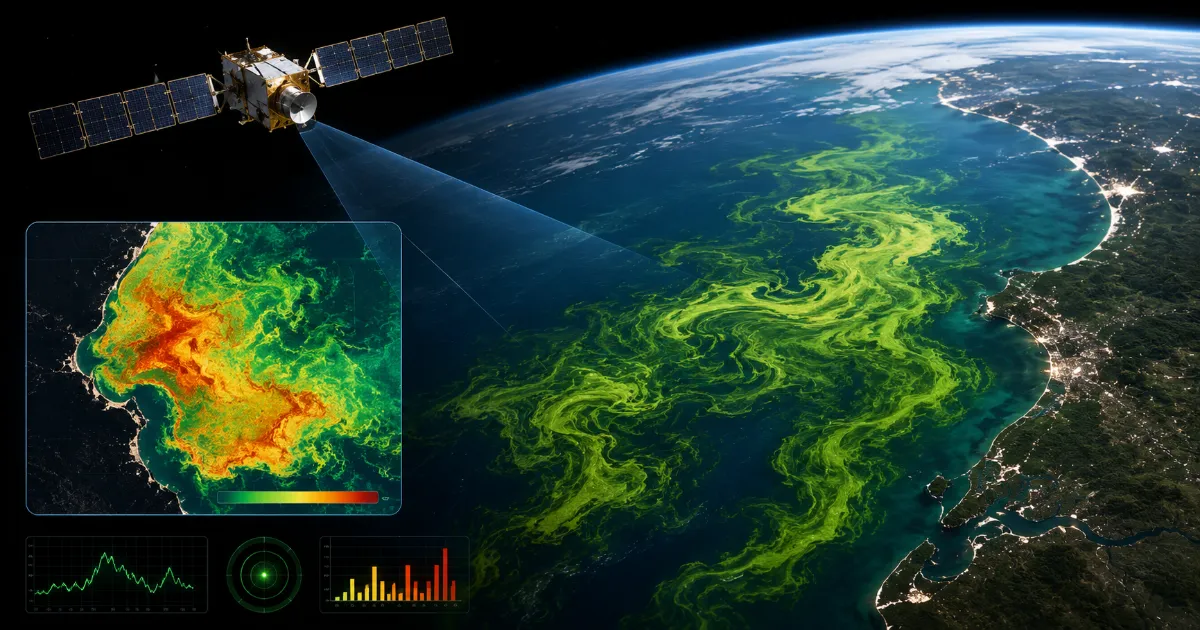
Tracking Environmental Anomalies
NASA has confirmed the presence of a record breaking sargassum bloom currently migrating through the Caribbean and toward the Gulf of Mexico. The massive collection of organic material, while naturally occurring, has reached densities that threaten ecological balance and local tourism infrastructure.
Impact on Coastal Infrastructure
As the seaweed begins to wash ashore, the biological breakdown process releases hydrogen sulfide, which creates a distinct odor and potential respiratory risks for beachgoers. Municipalities are currently mobilizing cleanup crews, though the sheer volume of this year's bloom complicates traditional containment strategies.
- Respiratory irritation from decomposition
- Disruption to maritime logistics
- Impact on local tourism revenue
The Big Picture
This phenomenon serves as an indicator of broader environmental changes, including shifts in ocean temperatures and nutrient run off. By leveraging satellite imagery to track these movements in real time, organizations can better predict landing sites and prepare for the necessary ecological management required to mitigate the impact on coastal communities.