Navigating the Financial Mechanics of the Apple Upgrade Program
An analysis of the trade-offs and long term costs associated with Apple's hardware leasing model.
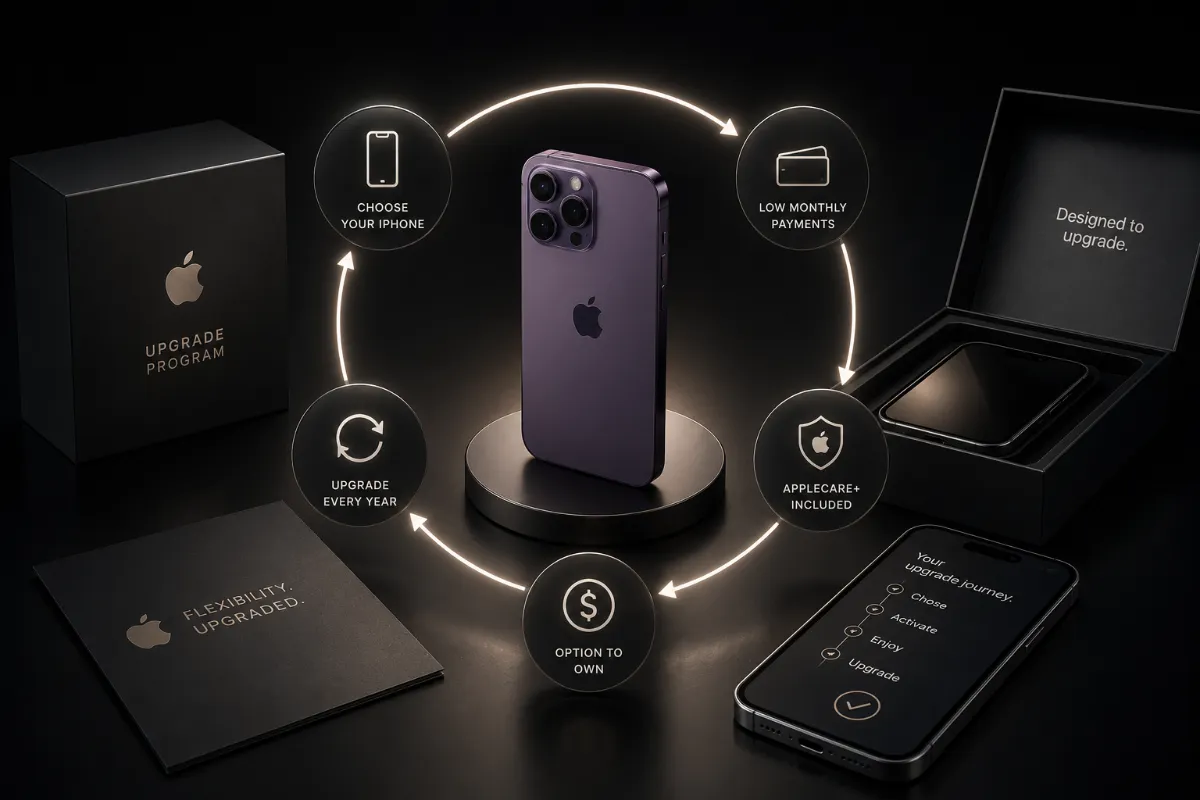
Breaking Down the Leasing Model
Apple's device upgrade program provides a gateway for consumers to rotate through the company's ecosystem with predictable monthly costs. However, from a financial planning perspective, it is essential to understand that this model is a lease, not an installment purchase plan. While it removes the upfront burden of purchasing high end hardware, the long term capital expenditure is significantly higher than buying and retaining devices.
The Hidden Trade Offs
For the power user, the program offers a clear path to accessing the latest silicon, camera tech, and industrial design every year. The primary benefit is the built in insurance and the freedom from managing secondary market device liquidation. For the average consumer, the constant cycle of payments may lead to an overspending trap.
| Consideration | Benefit | Drawback |
|---|---|---|
| Annual Access | Always new tech | Constant payments |
| Ownership | None (Lease) | No equity |
| Resale | Not required | No residual value |
The Big Picture
Ultimately, the program is a customer retention engine designed to bind the user to the Apple platform. By abstracting the cost of hardware into a service model, the company secures long term predictable revenue while ensuring a steady stream of trade-ins for its refurbishing and recycling channels.