Evaluating the Utility of Apple AirTags in a Crowded Tracking Market
Apple AirTags remain a popular choice, but how do they compare to the expanding ecosystem of competing Bluetooth trackers?
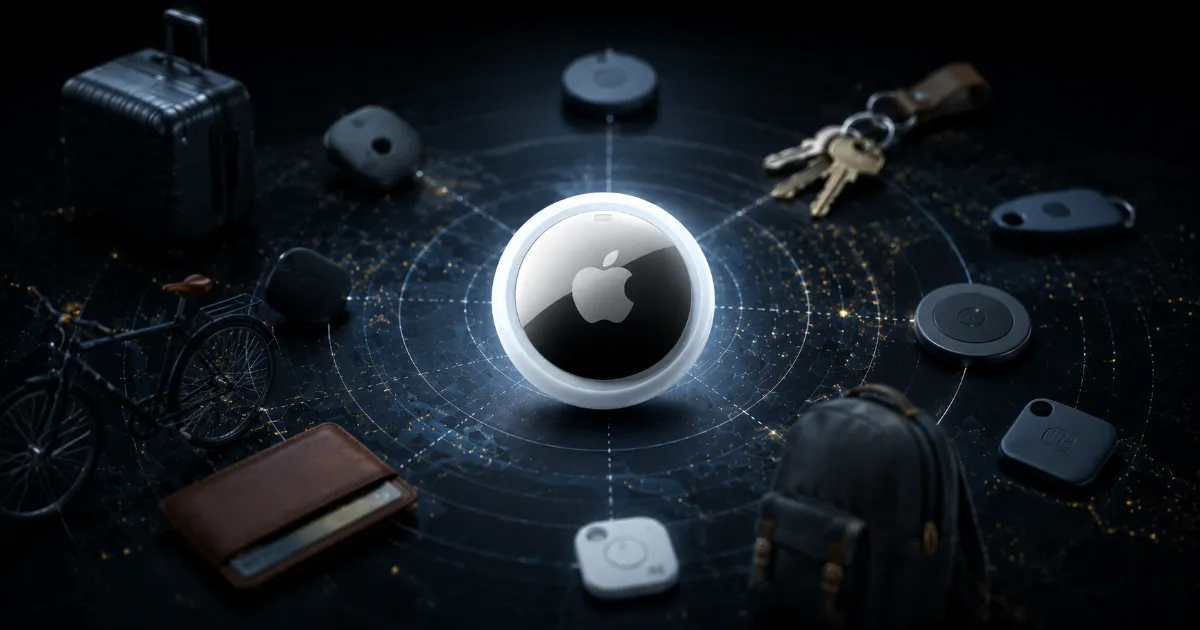
The AirTag Advantage
Apple AirTags have successfully democratized the concept of item tracking by leveraging the massive Find My network. By turning every iPhone, iPad, and Mac in the world into a potential relay point, Apple provides unmatched coverage for lost items. The setup process is seamless, requiring nothing more than bringing the tracker near an Apple device, making it one of the most user friendly gadgets in existence today.
However, the ecosystem is not without its limitations. AirTags rely on a specific CR2032 battery, which is replaceable but requires a manual twist to open, a design that some users find fiddly. Furthermore, the reliance on the Apple ecosystem is both its greatest strength and its primary weakness. Users outside of the iOS bubble find little utility in the devices, as they lack the deep integration that makes them shine for Apple power users.
Competitive Alternatives
Other companies have stepped up to fill the gaps left by the AirTag's design. Some competitors offer trackers with built-in adhesive patches, slimmer form factors that fit into wallets, or longer range beacons for outdoor enthusiasts. These alternatives often offer features that Apple has ignored, such as louder alerts or multi-platform support that works with both Android and iOS devices.
One significant advantage offered by some competing trackers is the ability to integrate with third party tracking networks. This allows for broader compatibility in regions where Apple devices might be less prevalent. While these networks may not have the density of Apple's global web, they provide a necessary level of cross platform flexibility that many consumers crave, especially those in mixed technology households.
The Trade-offs of Personal Privacy
Tracking technology carries inherent privacy risks. Apple has implemented features like unwanted tracking alerts, which ping your phone if an AirTag is moving with you, preventing the devices from being used for malicious purposes. While this adds a layer of security, it also highlights the potential for abuse that comes with any tracking technology. Choosing a tracker means trusting the company behind it to manage these safety protocols with extreme diligence.
For those who prioritize privacy, there are trackers that use encrypted protocols designed to prevent tracking by anyone other than the owner. These devices are often more expensive but offer peace of mind that a mass market tracker may not provide. The market is shifting toward a more transparent model of hardware security, and consumers are becoming increasingly sophisticated in their evaluation of these risks.
The Bottom Line
Choosing the right tracker comes down to your personal workflow and the ecosystem you reside within. AirTags are the gold standard for Apple users due to their integration and the sheer scale of the Find My network. However, if you are looking for specific form factors, better multi-platform compatibility, or specific security features, the broader market of Bluetooth trackers offers plenty of viable options. The landscape is evolving, and the best choice is the one that fits your specific needs for reliability and ease of use.