Texas Implements Moratorium On Data Center Grid Connections
Texas regulators are halting new data center approvals to audit grid capacity and address public concerns regarding energy stability.
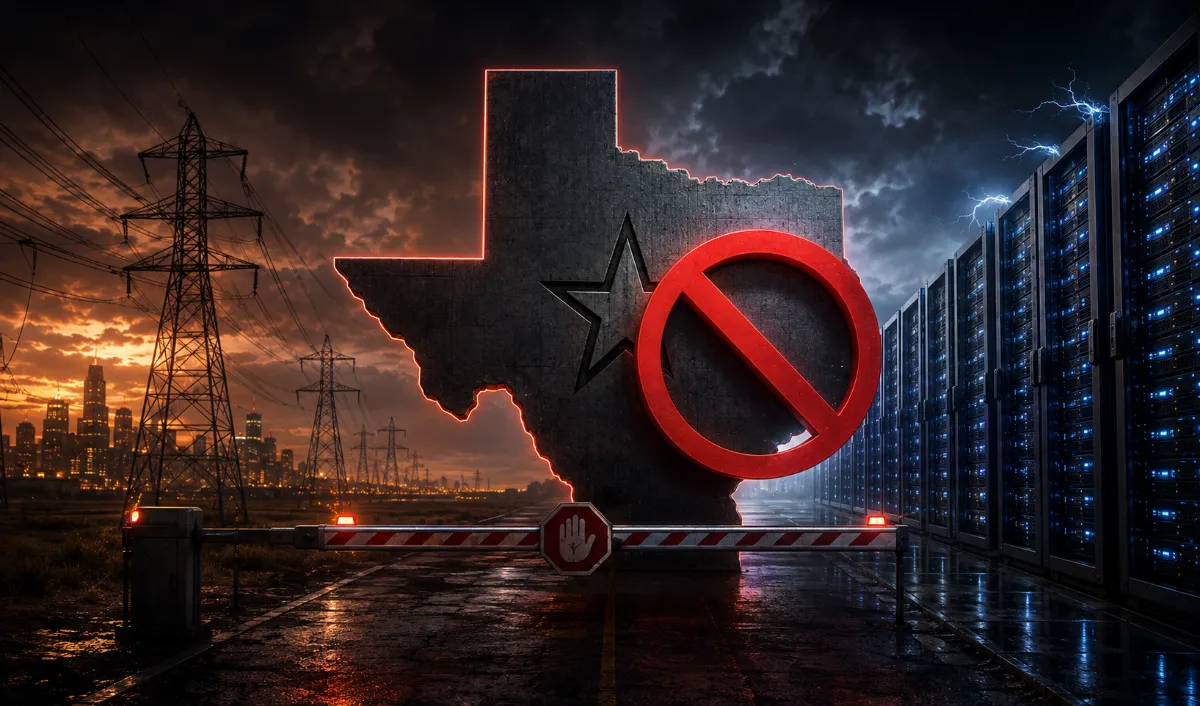
Grid Stability Versus Infrastructure Growth
The explosive growth of artificial intelligence and cloud computing has created an insatiable demand for physical computing power. Nowhere is this more apparent than in Texas, which has become a primary hub for large-scale data centers. However, the state's power grid, which has already faced significant scrutiny for its reliability during extreme weather events, is now reaching a breaking point. Governor Greg Abbott has directed state regulators to audit all new data center projects seeking to connect to the grid, effectively putting a hold on the expansion of these massive facilities.
Under The Hood Of The Power Crisis
Data centers are energy-intensive operations that require constant, high-voltage electricity to maintain server cooling and power cycles. When clusters of these facilities pop up in a single region, they can quickly overwhelm local electrical infrastructure. The issue is not just total load, but peak demand. During summer months, when temperatures in Texas soar, the grid is already strained. Adding massive, uninterruptible loads from data centers poses a challenge that state officials argue requires a comprehensive assessment of long-term grid sustainability.
Operational Challenges Facing The State
- Balancing industrial growth with residential energy availability.
- Evaluating the impact of high-density computing on rural power lines.
- Determining the feasibility of dedicated renewable microgrids for data centers.
- Addressing public backlash over rising electricity costs linked to infrastructure strain.
The Economic And Technical Tradeoff
For local economies, data centers represent significant tax revenue and construction jobs. For the tech companies operating them, the proximity to low-cost, deregulated power in Texas is a primary draw for locating their operations there. The current pause forces a dialogue between these parties and the public utility regulators about who bears the cost of grid upgrades. If developers are forced to invest in their own localized energy solutions, such as large-scale battery storage or on-site solar, it could drive up the cost of operations while potentially providing a more stable model for energy-heavy development.
The Road Ahead
The upcoming audit will likely serve as a blueprint for other states facing similar dilemmas. As computing demands grow, the traditional utility model of providing unlimited power on demand is becoming obsolete. We are moving toward an era where industrial developments will be required to participate in grid management, potentially acting as dispatchable assets during peak times. The pause in Texas is a necessary step to ensure that the rapid expansion of the digital economy does not come at the expense of basic infrastructure integrity. State regulators will need to move quickly to provide clarity to developers, as a prolonged freeze could cause tech investment to migrate elsewhere.