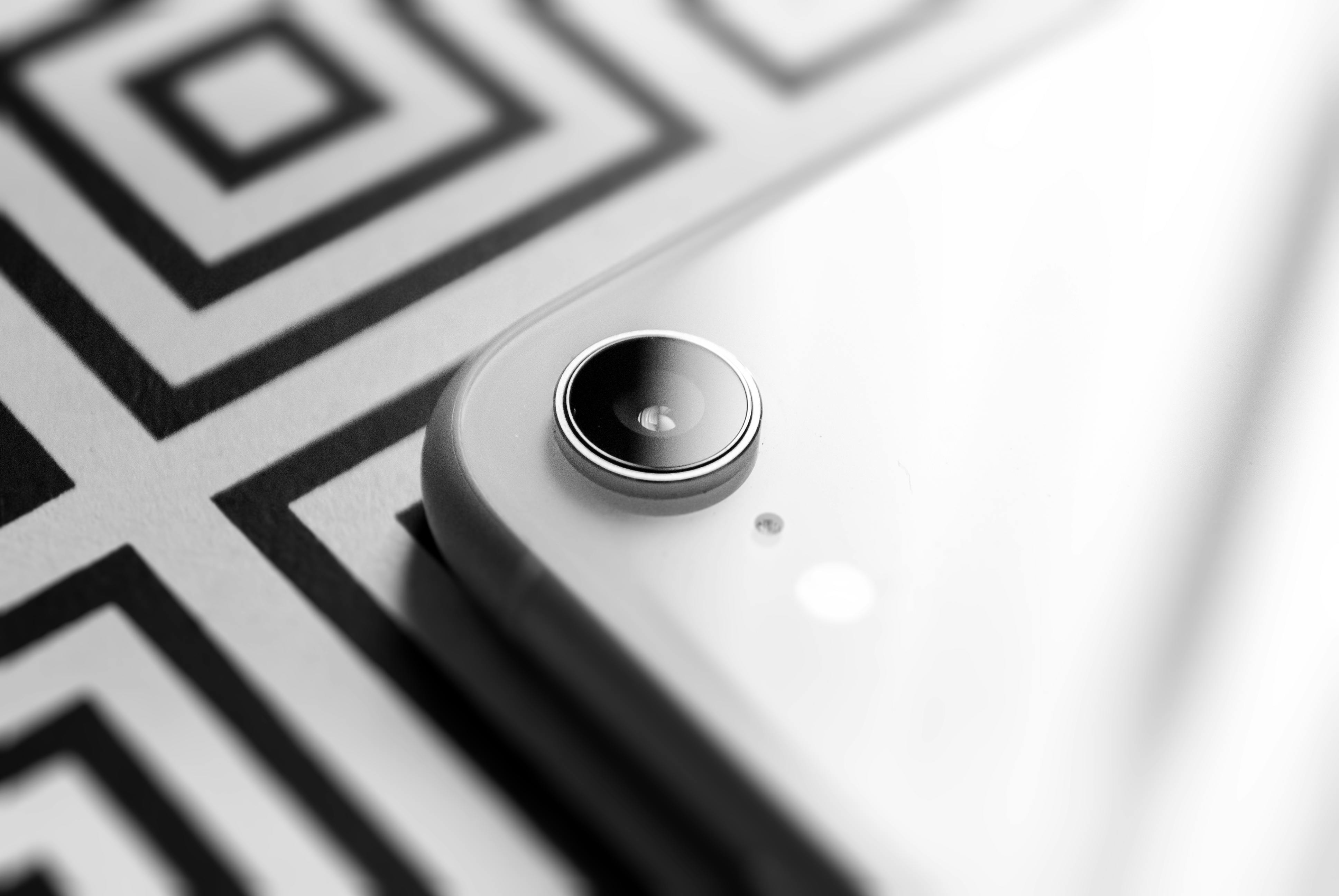

- Subject Overview: Top Tier Apple Watch Bands For Every Lifestyle and Aesthetic in 2026 — Key developments across Gadgets.
- Technical Context: Detailed analysis of architectural changes, product capabilities, and engineering metrics.
- Industry Impact: Key implications for software developers, startup founders, and enterprise technology adopters.
The Evolution of Wrist Wear
Since the inception of the Apple Watch in 2015, the ecosystem surrounding its proprietary connection mechanism has exploded into a multi billion dollar accessory industry. What began as a simple utilitarian attachment has matured into a sophisticated market where material science meets high fashion. Users are no longer limited by the standard fluoroelastomer straps bundled with their hardware; they now have access to a diverse array of textiles, metals, and leathers designed for specific use cases ranging from deep sea diving to corporate boardrooms.
Selecting a band is fundamentally a choice about how you intend to interact with your wearable. A band designed for high intensity interval training requires different structural integrity than a band meant for evening social events. Over the past decade, we have seen materials evolve from basic synthetic polymers to aerospace grade titanium links and ethically sourced full grain leathers. Understanding your daily activities is the first step in maximizing the utility and longevity of your watch accessory investment.
Performance Gear for the Active User
For those who prioritize heart rate monitoring, GPS tracking, and endurance sports, the Nike Sport Band remains the gold standard. Engineered with high performance fluoroelastomer, these bands feature compression molded perforations that allow for superior breathability during heavy perspiration. The pin and tuck closure mechanism ensures that the watch remains securely fastened against the skin, which is critical for maintaining accurate optical sensor readings during vigorous movement.
When evaluating high performance options, we look for materials that resist hydrolysis, UV radiation, and sweat salinity. These bands must be easily washable and quick to dry to prevent skin irritation. The structural design of modern sport bands has shifted toward lightweight, flexible architectures that feel virtually weightless on the wrist, effectively reducing the ergonomic fatigue associated with wearing a large device for extended periods.
| Band Type | Primary Material | Best Use Case | Durability Rating |
|---|---|---|---|
| Sport Band | Fluoroelastomer | Athletics and Swimming | Extremely High |
| Leather Loop | Full Grain Leather | Professional Settings | Moderate |
| Titanium Link | Aerospace Titanium | Formal and Daily Wear | Maximum |
| Braided Loop | Recycled Yarn | Casual Daily Comfort | Moderate |
Luxury and Craftsmanship at Scale
For users seeking a tactile upgrade, the partnership between Apple and luxury houses like Hermés has set a benchmark for quality. These leather bands represent the intersection of traditional artisanal craftsmanship and modern digital lifestyle needs. Each strap is hand stitched with meticulous attention to detail, using leathers that develop a unique patina over time. The transition from a digital workspace to a formal social environment is seamless when the wrist accessory conveys high end tactile aesthetics.
Beyond luxury brands, the boutique market—exemplified by manufacturers like Nomad—has introduced rugged, functional, and stylish leather alternatives. These manufacturers often utilize Horween leather or other premium hides that are vegetable tanned to ensure structural stability and aesthetic longevity. The key difference here is the integration of custom stainless steel hardware that matches the Apple Watch case finish, ensuring a unified design language that feels like an extension of the original product engineering.
Balancing Ergonomics and Visual Appeal
Ergonomics play a critical role in the long term satisfaction of a wearable device. A band that is aesthetically pleasing but causes contact dermatitis or poor sensor connectivity is fundamentally a failure. We prioritize bands that feature adjustable sizing systems which do not require tools, allowing the user to dial in the perfect fit throughout the day as wrist temperature and swelling fluctuate.
- Weight Distribution: Heavier metal bands should have balanced link designs to prevent the watch face from rotating on the wrist.
- Skin Sensitivity: Ensure materials are hypoallergenic and free from nickel or other common irritants.
- Mechanism Security: Always verify that the lug connection is robust enough to withstand accidental impacts common in daily life.
Key Takeaway: The optimal Apple Watch band is one that disappears from your consciousness until you need it, providing a secure, comfortable, and stylistically appropriate interface for your device.
Maintaining Your Investment
Proper care is essential to extending the life of your watch bands. Synthetic bands should be rinsed with mild soap and warm water regularly to remove salt buildup and dead skin. Leather bands require occasional conditioning with high quality leather balms to prevent cracking and dehydration, especially in climate controlled environments. By following a basic maintenance routine, you can ensure that even your most expensive bands maintain their structural integrity and visual appeal for years, rather than months.
The Road Ahead
As we look toward the future of wearable design, the integration of biometric sensors directly into the band material is the next frontier. We expect to see more bands that bridge the gap between simple accessories and functional health monitors. However, for now, the market remains focused on delivering the best materials and the most refined aesthetics for the current generation of hardware, allowing users to customize their technology to reflect their individual personality and lifestyle requirements.
Sources
Apple (apple.com) Nomad (nomadgoods.com) Hermés (hermes.com)