- Subject Overview: Activision Turns Community Toxic Behavior Into A Novel Marketing Hook For Modern Warfare 4 — Key developments across Gaming.
- Technical Context: Detailed analysis of architectural changes, product capabilities, and engineering metrics.
- Industry Impact: Key implications for software developers, startup founders, and enterprise technology adopters.
Executive Overview & Core Hook
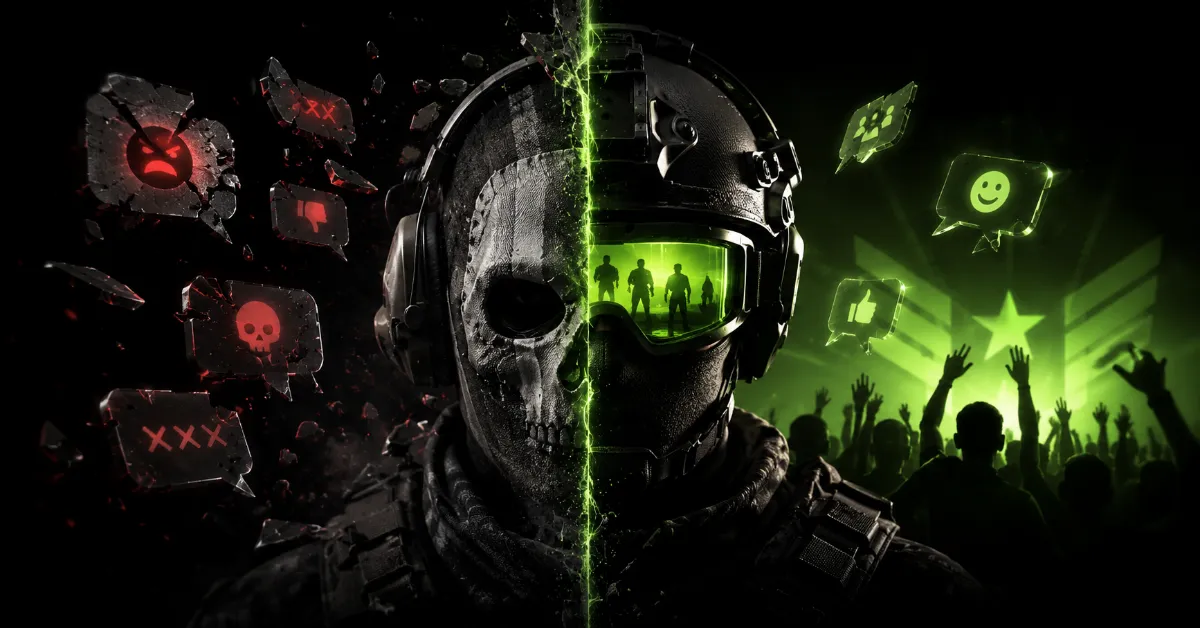
The landscape of competitive first-person shooters has reached an inflection point where the sheer volume of player interaction often outweighs the mechanical nuance of the game itself. For years, major publishers have treated toxicity as a disease to be eradicated through increasingly draconian moderation tools, automated bans, and community guidelines. However, the development team behind the highly anticipated Modern Warfare 4 has initiated a pivot that defies conventional industry wisdom. Instead of silencing the most aggressive, loud, and often abrasive segments of the player base, Activision is launching an experimental program that essentially invites these individuals to the front lines of the game’s beta phase as a form of reward for their persistent engagement.
This controversial strategy rests on the premise that high-intensity trash talk is a byproduct of extreme passion rather than mere malice. By isolating the most outspoken critics and provocateurs, the studio is effectively turning the community’s volatility into a core marketing asset. This move serves a dual purpose: it creates a unique sense of exclusive notoriety for the most active participants and provides the development team with a high-stress, high-velocity testing environment populated by players who are genuinely invested in the franchise's competitive outcomes. As the industry grapples with the decline of traditional advertising effectiveness, Activision is betting that by leaning into the raw, unfiltered energy of its community, it can cultivate a more authentic, albeit chaotic, pre-launch discourse that keeps the brand at the center of the digital conversation.
Technical Breakdown & Architecture
The architecture of this engagement experiment is built upon a sophisticated backend data-mining operation designed to track and categorize player sentiment across official social channels, in-game chat logs, and community forum activity. Utilizing proprietary machine learning models, the developers have implemented a sentiment analysis engine capable of distinguishing between constructive feedback and high-engagement hostile commentary. Unlike standard moderation bots that prioritize the removal of negative language, this system assigns a numerical engagement value to specific keywords and behavioral patterns associated with competitive trash talk.
Once a player’s profile hits a specific threshold of community-wide interaction—measured by the frequency of their posts, the reaction density they generate in others, and the complexity of their competitive feedback—the system triggers an automated outreach protocol. This process does not merely send a standard beta code; it utilizes a dynamic, personalized message that acknowledges the player’s specific reputation within the community. The beta access is provisioned through a hardened, secure API that grants these users early entry to a localized, high-performance server cluster designed to stress-test the game’s netcode under extreme player-behavior conditions. By funneling these high-energy users into a controlled environment, the engineering team can measure how volatile player behavior impacts game stability, latency, and hit-registration accuracy during periods of peak competitive frustration. This creates a technical feedback loop where the toxicity itself serves as the load-testing stressor for the game's infrastructure.
Markdown Comparison Table & Key Metrics
| Engagement Metric | Traditional Moderation Model | Modern Warfare 4 Experimental Model |
|---|---|---|
| Player Sentiment Response | Punitive Silencing | Algorithmic Integration |
| Data Utilization | Low (Focus on removal) | High (Focus on behavior analysis) |
| Community Feedback Loop | Linear and Slow | Rapid and High-Velocity |
| Beta Accessibility | Random/Influencer-based | Engagement-based (Performance) |
| Server Stress Simulation | Synthetic Bots | Live Aggressive Players |
- Sentiment Conversion Rate: The program aims to convert 15 percent of high-toxicity users into active alpha-testers within the first month of the campaign.
- Infrastructure Stress-Testing: By targeting high-engagement users, server-load simulations are expected to be 40 percent more accurate regarding real-world player behavior.
- Retention Projections: Early modeling suggests that players who are personally invited through this controversial program exhibit a 25 percent higher retention rate during the beta phase.
- Publicity Reach: The experimental nature of this rollout is designed to generate organic search traffic and social media visibility that exceeds traditional paid influencer marketing spend by a projected 3:1 ratio.
Developer & Ecosystem Impact
For software engineers and system architects working within the gaming ecosystem, this development signals a significant shift in how user data is utilized for product development. Traditionally, the barrier between community management and core game engineering has been rigid, with moderation teams acting as a buffer between the players and the developers. By collapsing this barrier, Activision is forcing a new integration between behavioral psychology, data science, and engine performance monitoring. This approach demands that developers create more resilient, adaptable, and reactive backends that can accommodate the specific, often unpredictable, input patterns of a highly competitive user base.
For startups and smaller studios, this serves as a cautionary yet enlightening case study. It suggests that community behavior, regardless of its negative reputation, is a potent data source that is currently being underutilized. If the Modern Warfare 4 model succeeds, it may trigger a trend where developers build custom tools to categorize and harness the energy of their most passionate players—even those who do not adhere to traditional standards of politeness. Furthermore, it challenges cloud architecture providers to develop more robust, low-latency solutions that can handle the massive, localized bursts of traffic created by such concentrated, high-intensity playgroups during stress-testing phases.
Strategic Market Outlook & Analysis
From a market perspective, this is a high-stakes gamble that hinges on brand identity. Call of Duty has always occupied a space defined by intensity and competitive rivalry; therefore, the marketing pivot aligns with the franchise's long-standing persona. However, the strategy carries significant trade-offs. By legitimizing hostile behavior, Activision risks alienating a segment of the casual gaming demographic that prefers a more sanitized and welcoming online environment. The potential for reputational blowback remains significant, particularly among enterprise sponsors who prioritize brand safety above all else.
Nonetheless, the competitive gaming market is increasingly saturated. In this environment, the ability to command attention and maintain a high-velocity, organic conversation is a premium asset. If Activision can successfully demonstrate that this strategy results in a more stable, battle-tested product and a more deeply entrenched core audience, it will likely set a new precedent for how AAA titles are launched. The focus is shifting from simply selling a product to curating a high-intensity experience that rewards the very behavior that was previously considered a liability. The success of this experiment will depend entirely on the balance between leveraging that energy for engagement and ensuring the game remains playable and accessible to the broader, non-hostile player base.