- Subject Overview: Modern USB C Hardware Revives Classic Retro Game Cartridges — Key developments across Gaming.
- Technical Context: Detailed analysis of architectural changes, product capabilities, and engineering metrics.
- Industry Impact: Key implications for software developers, startup founders, and enterprise technology adopters.
Preserving Retro Silicon In The Modern Era
The preservation of digital heritage often faces insurmountable hurdles as physical media degrades and proprietary playback hardware becomes obsolete. Retro gaming enthusiasts frequently watch helplessly as internal battery backups fail, erasing decades of high scores, custom configurations, and cherished save files. Modern hardware solutions have emerged to address this exact vulnerability, allowing collectors and casual players alike to interface physical cartridges directly with modern computer architectures via universal serial bus standards.
Engineering these specialized cartridge readers requires an intimate understanding of legacy pinouts, bus timings, and voltage requirements from gaming hardware manufactured decades ago. Unlike software emulation, which simulates hardware behavior through instruction-set translation, these physical adapters act as bridges. They read the raw ROM and RAM data directly from the original circuit boards, ensuring absolute authenticity in how games execute, save, and interact with the host environment.
Software integration plays a pivotal role in making these legacy hardware tools accessible to contemporary users without requiring extensive technical expertise. Accompanying desktop applications automatically detect inserted cartridges, fetch metadata and box art from community databases, and configure optimal emulator profiles instantly. This frictionless user experience transforms dusty boxes of vintage game cartridges into immediately playable, highly organized digital libraries stored on modern solid-state drives.
Hardware Architecture And Electrical Engineering
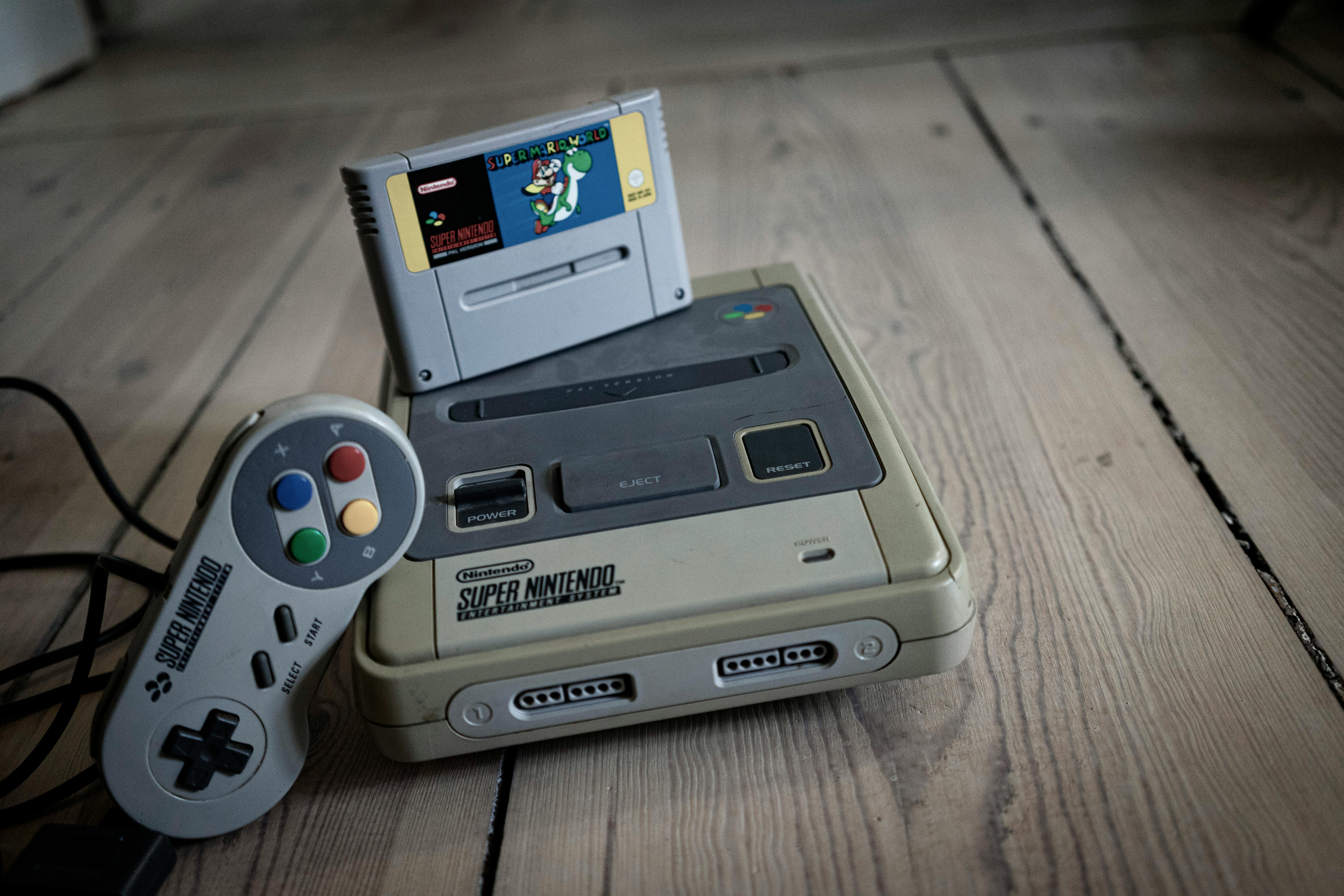
Designing a reliable hardware adapter for legacy Nintendo cartridges involves navigating significant electrical engineering challenges, particularly regarding voltage level shifting. While modern computers operate on low-voltage logic standards like 3.3 volts or lower, many older game cartridges rely on 5-volt logic levels to drive their internal mask ROMs and custom coprocessors. Failing to properly isolate and translate these voltage domains can lead to catastrophic hardware failure or permanent corruption of irreplaceable vintage silicon.
Advanced clock synchronization circuits are integrated directly into the printed circuit board of the adapter to ensure stable data extraction and real-time execution. When a user launches a classic title, the adapter handles the complex handshake protocols required to dump the cartridge contents into system RAM while maintaining cycle-accurate timing. This rigorous attention to electrical detail prevents audio crackling, graphical glitches, and game-breaking bugs that frequently plague poorly engineered software emulators.
Physical construction quality is another critical design consideration, as decades-old cartridge connectors are often oxidized, coated in dust, or physically worn down from heavy use. Hardware manufacturers incorporate high-grade gold-plated contact pins and reinforced insertion slots that minimize mechanical wear on delicate vintage circuit boards. These design choices ensure that repeatedly swapping cartridges in and out does not accelerate physical degradation of the collectible media.
Software Ecosystems And Save File Recovery
The ability to extract, edit, and restore save files from vintage cartridges represents a monumental breakthrough for game preservationists and casual players alike. Battery-backed SRAM found in many classic titles relies on a tiny coin-cell battery that inevitably dies after fifteen to thirty years, wiping saved progress permanently. Modern cartridge adapters allow users to back up these volatile save files onto cloud storage or local disk arrays, safeguarding them against future hardware failures.
Furthermore, advanced users can modify save data, inject custom translations, or transfer game progress between original hardware and modern portable emulation handhelds seamlessly. This flexibility bridges the gap between stationary desktop gaming and mobile play sessions, empowering users to enjoy their physical collections across multiple devices without losing their place in sprawling role-playing games or platformers.
Community-driven software development has fostered an expansive ecosystem of open-source tools and utilities that complement these physical adapters. Developers continually update firmware packages to support rare enhancement chips, obscure Japanese releases, and homebrew cartridges created by modern independent developers. This collaborative approach ensures that the hardware remains adaptable and future-proofed against newly discovered cartridge variants or custom PCB designs.
Market Impact And The Retro Gaming Renaissance
The surging popularity of retro gaming peripherals underscores a broader cultural desire for tangible ownership in an increasingly subscription-driven digital landscape. Consumers are actively rejecting purely cloud-based entertainment ecosystems in favor of physical media that they can own, modify, and preserve independently of corporate servers or licensing agreements. This grassroots movement has transformed retro hardware from a niche hobby into a thriving, multi-million-dollar industry.
Independent hardware manufacturers benefit significantly from open-source documentation and mature semiconductor supply chains, enabling them to bring professional-grade diagnostic tools to market rapidly. By catering to passionate enthusiast communities, these companies demonstrate that hardware innovation does not always require chasing the absolute bleeding edge of computing power; looking backward can yield equally compelling commercial opportunities.
As digital preservation laws and right-to-repair frameworks continue to evolve, tools that empower users to manage their own hardware holdings will only grow in strategic importance. Whether safeguarding childhood memories or discovering classic titles for the first time, modern enthusiasts now possess the robust technological means required to keep gaming history alive for generations to come.
Related Coverage on TechRoro
- [Gaming] Rockstar Games Prepares Grand Theft Auto VI For Next Generation Hardware Landscapes
- [Gaming] Lenovo Addresses Critical Legion Go Firmware Issues After User Reports
- [Gaming] No Law Emerges At Gamescom To Satisfy The Cyberpunk Genre Hunger