Nevada Legal Battle Heats Up Over Public Land Use for Hyperscale Data Centers
Environmental advocacy groups launch a formal appeal to halt the first data center development authorized for Nevada public lands.
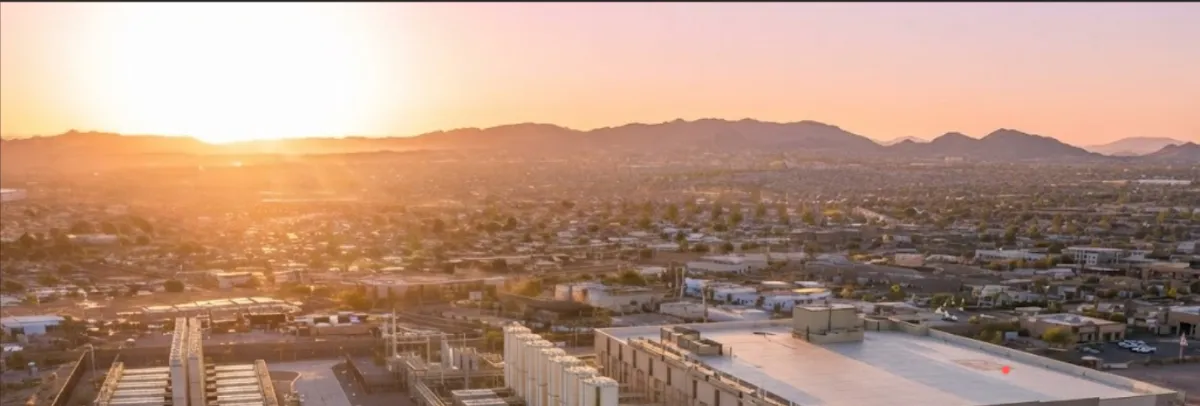
The Confrontation Over Public Space
A significant legal conflict is unfolding in Nevada, where the Center for Biological Diversity and the Sierra Club have formally challenged the approval of a data center project situated on public land. This case represents a growing friction point between the rapid expansion of digital infrastructure and the preservation of natural landscapes. The project, which would be the first of its kind to be built on public territory in the region, is facing intense scrutiny over its potential impact on local biodiversity and community resources.
Environmental Impact Assessment
Opponents of the project argue that the footprint of modern data centers extends far beyond the physical building structure. The construction phase involves massive land clearance and the deployment of extensive cooling infrastructure that can disrupt sensitive local ecosystems. Furthermore, the water usage required to maintain the climate control systems of high density server farms in an arid environment like Nevada remains a core point of contention for local water boards and environmental advocates.
| Project Aspect | Potential Environmental Risk |
|---|---|
| Physical Footprint | Habitat fragmentation and local fauna displacement |
| Climate Control | High water consumption in drought prone zones |
| Infrastructure | Energy transmission line expansion into protected areas |
Market Outlook
The outcome of this legal appeal will set a precedent for future development projects on federal and public land. As the appetite for domestic AI infrastructure increases, policymakers are struggling to find a balance between fostering the tech industry and maintaining environmental regulations. A victory for the environmental groups could force developers to seek land in private industrial zones, which are generally more expensive and harder to acquire at scale, potentially slowing down the pace of AI infrastructure deployment in the Southwest.