Solar Storm Risks Escalate As Research Challenges Current Intensity Limits
New findings suggest solar storms could reach magnitudes far beyond our current preparedness levels, threatening global infrastructure.
Rethinking Solar Vulnerability
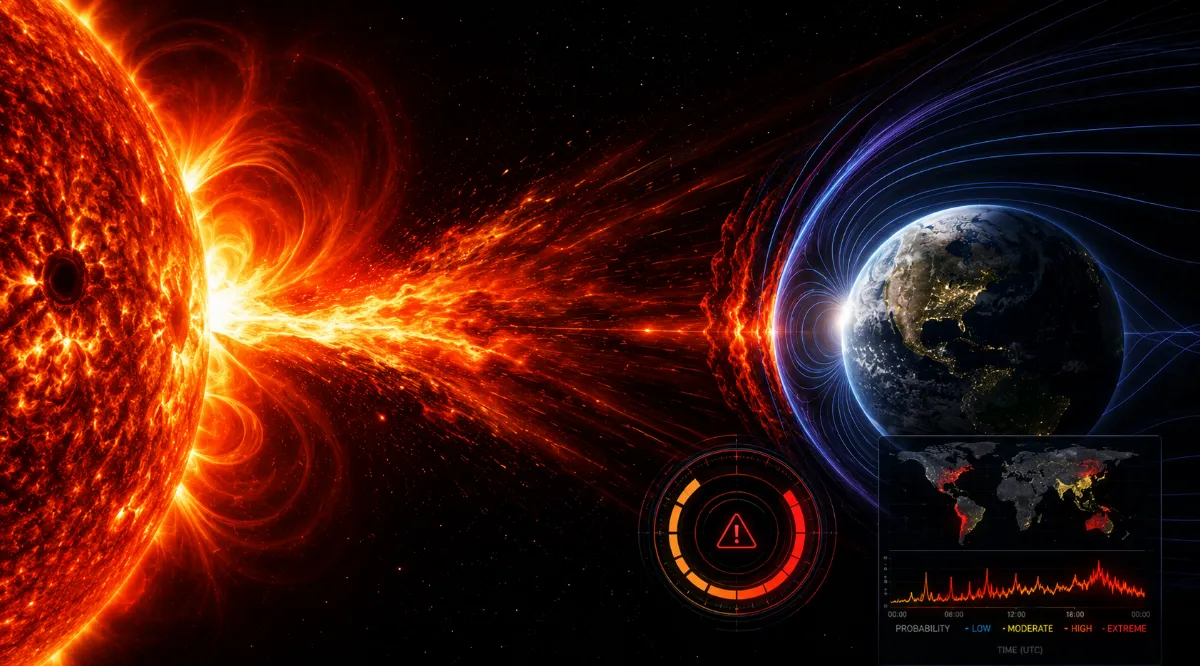
Scientists previously assumed that there was a physical ceiling to the intensity of solar storms that could strike the Earth. Recent atmospheric modeling suggests that this safety margin is an illusion. We are potentially vulnerable to Carrington class events that could disable global power grids and satellite networks for months.
The Infrastructure Threat
Modern digital infrastructure is exceptionally fragile compared to the late 19th century. High voltage transformers are the primary failure point. A surge caused by a massive geomagnetic storm could permanently fry the backbone of our electrical distribution systems, creating a cascade failure that would take years to repair.
Preparing for the Unknown
Resilience strategies currently focus on moderate storms. Industry experts suggest a pivot toward hardened hardware designs and rapid disconnection protocols for critical utility zones. Strengthening our grid requires proactive investment in shielding and decentralized power generation.
| Risk Level | Impact Scope | Mitigation Strategy |
|---|---|---|
| Moderate | Satellite Glitches | Signal Hardening |
| Severe | Grid Instability | Load Shedding |
| Extreme | Permanent Damage | Physical Shielding |
The Road Ahead
We must treat geomagnetic activity as a persistent threat rather than a rare anomaly. Integrating real time solar monitoring into standard utility operations is no longer optional but a basic requirement for maintaining the modern world.