Rising Temperatures Facilitate Spread of Tropical Diseases Across Europe
Climate change is altering the map for tropical diseases as Dengue fever and Chikungunya become more common in European regions.
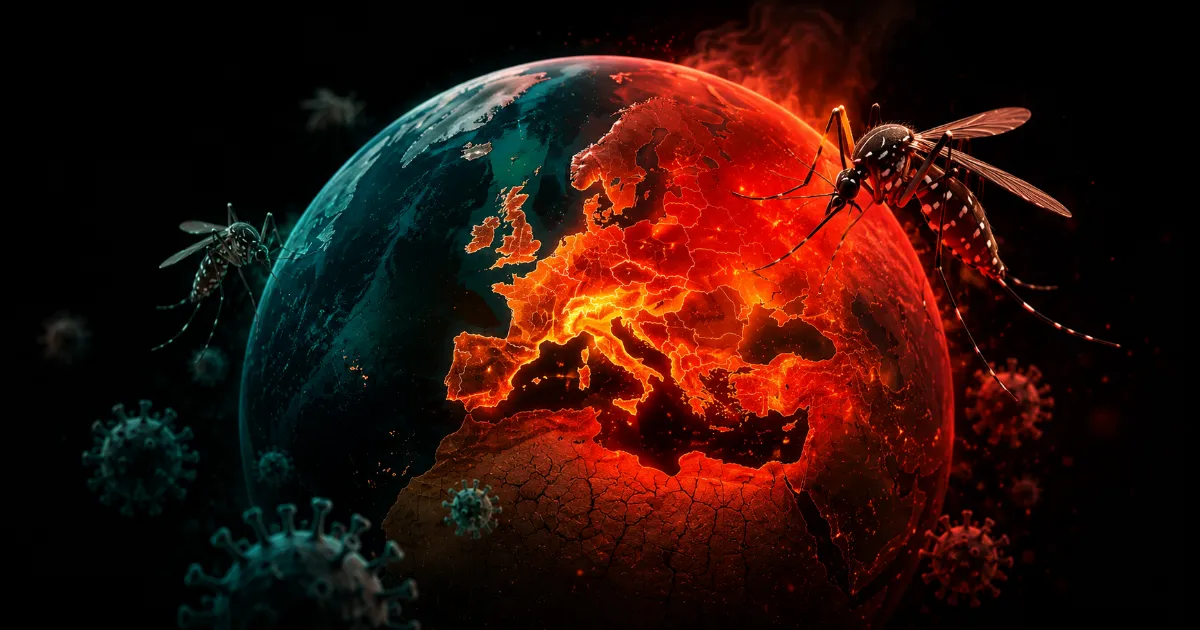
A Warming Continent
Public health infrastructure across Europe is facing an unexpected challenge as climate change creates conditions suitable for tropical diseases. Species that were once confined to equatorial regions are now thriving in northern latitudes, aided by rising average temperatures and changing precipitation patterns. Scientists are warning that the continent must adapt to these new environmental realities.
The Role of Invasive Species
Vectors like the Aedes albopictus mosquito are expanding their reach, finding the European climate increasingly hospitable. As these species establish permanent populations, the transmission cycles of diseases such as Dengue fever and Chikungunya are becoming more common in regions previously considered safe. This shift is not temporary; it is a long term consequence of climate shifts.
| Disease | Primary Vector | Impact Scope |
|---|---|---|
| Dengue | Aedes mosquito | Rapid growth in south |
| Chikungunya | Aedes mosquito | Emergent transmission |
The Big Picture
Addressing this health crisis requires a combination of robust public health policy, vector control, and climate resilience strategies. The reality of a changing climate means that diseases once viewed as distant threats are now local concerns, necessitating a proactive and global approach to medical infrastructure and epidemiology.