Redefining Productivity as AI Rewrites the Workplace Observation Model
The evolution of office design and management is shifting from physical presence to AI driven behavioral analysis, fundamentally changing our relationship with labor.

The Century of The Panopticon
For nearly a century, office design was dictated by a single, unwavering logic: if you can see it, you can measure it. From the rows of cubicles that once defined the corporate landscape to the open floor plans designed to encourage accidental collaboration, the architecture of our workspaces has always been a proxy for command and control. We built walls, we installed glass partitions, and we designed hallways to ensure that supervisors could maintain a visual line of sight on their subordinates. This obsession with visibility was the bedrock of industrial era management, where the physical presence of a body in a chair was synonymous with the output of work.
AI as the New Observer
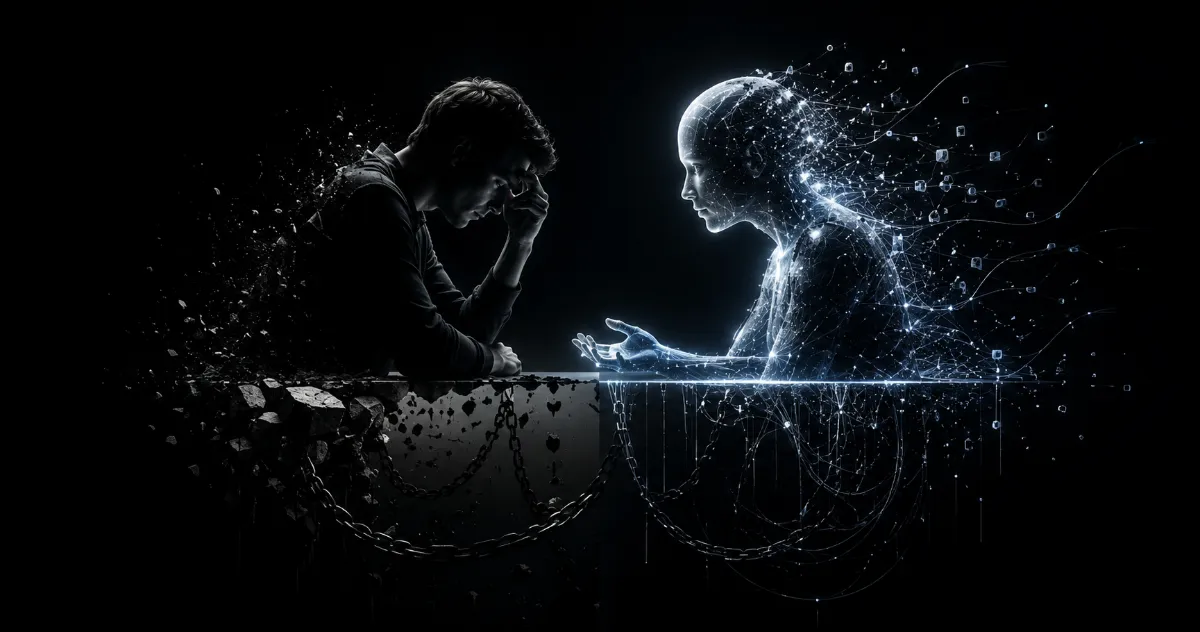
Artificial intelligence is now dismantling this visual requirement. When work is increasingly digital, asynchronous, and abstracted into tasks within software environments, the human eye is no longer the primary tool for supervision. Instead, the architecture of watching work has become invisible. AI driven systems now monitor keystroke patterns, task completion times, and communication flows, effectively replacing the manager who once paced the aisles. This shift is profound because it disconnects the feeling of being watched from the physical act of being in a specific location.
The Psychology of Digital Surveillance
The transition from physical observation to data driven surveillance creates a unique psychological burden. When the observer is an algorithm, the employee often feels that they are being measured against an unattainable standard of efficiency, leading to a culture of performative busyness rather than actual value creation.
Designing for Agency Not Oversight
If we are to create healthier environments, we must move away from using AI as a tool for invasive monitoring. Instead, the design of our digital workspaces should focus on providing employees with agency over their own metrics. By giving individuals access to the same analytics that management uses, we can transform the surveillance model into a self improvement framework. This turns the architecture of watching work from a top down punitive measure into a bottom up tool for personal productivity and professional development.
Rethinking Digital Environments
| Traditional Office Metric | Modern Digital Equivalent | The Shift |
|---|---|---|
| Desk Time | Logged Activity | From presence to output |
| Direct Supervision | Predictive Analytics | From oversight to insight |
| Physical Collaboration | Asynchronous Workflow | From co location to context |
Architectural Implications
We are currently in a transition period where our physical offices are being retrofitted to accommodate a digital reality that they were never meant to support. The future of workplace design will not be about rearranging desks or adding more meeting pods. It will be about building software environments that respect the boundary between work and life. If we continue to design systems that view every keystroke as a data point, we will eventually burnout our most talented contributors. Architects of the future must prioritize human autonomy, building systems that measure impact rather than movement, ensuring that the digital tools we use empower our work rather than just documenting our every move.