YouTube Purges Top ASMR Channels Triggering Intense Creator Backlash
YouTube is facing mounting criticism as a recent crackdown on ASMR creators for alleged explicit content reveals inconsistent enforcement of community standards.
A Sudden Disruption of Sensory Content
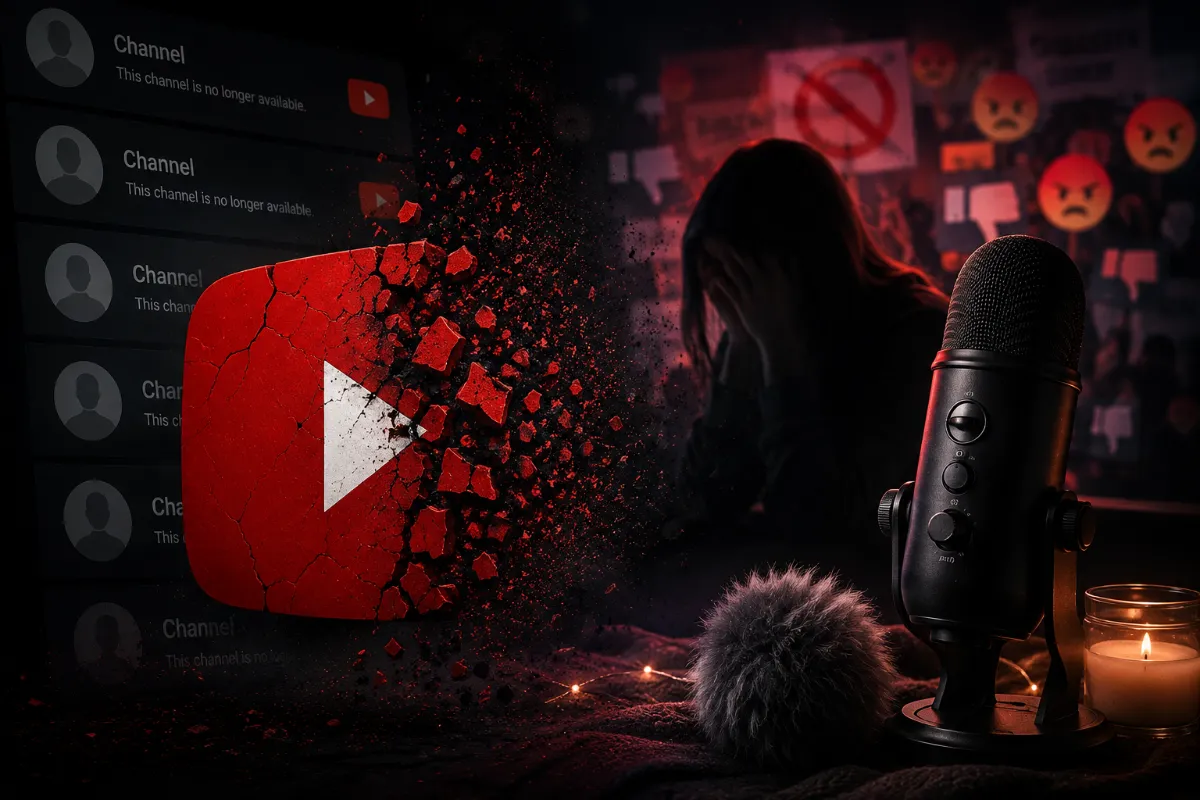
The creator economy on YouTube has long existed in a state of precarious balance between algorithmic visibility and content moderation policies. Recently, this delicate ecosystem faced a significant tremor as multiple prominent ASMR channels were abruptly terminated, with the platform citing violations of policies regarding explicit content. For a community built on the foundation of non-sexual, sensory-focused audio and visual triggers, the sudden removal of established creators has sparked a fierce debate about the automated moderation tools that define life on the platform.
ASMR, or Autonomous Sensory Meridian Response, relies on a unique rapport between creator and viewer. The content ranges from soft-spoken roleplays to precise physical triggers designed to induce relaxation. However, the line between therapeutic content and content that might trigger automated safety filters has become increasingly blurred. Critics of the recent sweep argue that YouTube is failing to distinguish between genuine intimate comfort and prohibited erotica, leading to collateral damage that threatens the livelihoods of creators who have spent years building their audiences.
The Problem With Algorithmic Enforcement
At the core of the controversy lies the reliance on machine learning models to police an astronomical volume of video uploads. While these systems are efficient, they lack the nuanced understanding required to differentiate between benign artistic choices and genuine policy violations. A camera angle that emphasizes intimacy, or a specific tone of voice, can be misinterpreted by an automated system that has been tuned to be hyper-sensitive to any hint of prohibited behavior.
Creators are now left in a state of uncertainty. Without clear human review before the ban hammer falls, many see these removals as arbitrary. The lack of transparency in the appeal process further exacerbates the frustration. When a channel is terminated, the creator is often met with boilerplate responses that offer little insight into which specific video or action triggered the automated suspension. This opacity leaves the community feeling ignored and vulnerable to the whims of an opaque digital governance structure.
Community Standards and Content Evolution
| Feature | Platform Policy | Creator Reality |
|---|---|---|
| Content Review | Automated ML Filters | Nuanced Artistic Intent |
| Policy Clarity | Broad Safety Guidelines | Subjective Enforcement |
| Appeal Process | Limited Human Oversight | High Barrier to Reinstatement |
Despite the friction, the demand for ASMR content remains at an all-time high. Viewers seek out these videos for stress relief and insomnia management, creating a massive market that YouTube cannot afford to alienate entirely. The current conflict highlights an existential challenge for the platform: how to maintain a safe environment for all ages while respecting the creative boundaries of niche genres that rely on intimacy as a core deliverable.
The Road Ahead
As the dust settles on these latest account removals, the broader YouTube creator community is calling for a more human centric approach to moderation. The move toward higher levels of automation in trust and safety operations is undoubtedly necessary to scale with global growth, but it must be paired with effective safeguards for legitimate creators. If the platform continues to lean on blunt algorithmic tools without meaningful recourse, it risks driving talented creators toward decentralized alternatives where they retain control over their intellectual property and audience relationships. The future of online video rests on achieving a balance between safety and the creative liberty that built the platform in the first place.