Wonder Man Showrunner Addresses Sudden Cancellation Amid Shifting Studio Priorities
Showrunner Andrew Guest provides insight into the unexpected conclusion of the production, emphasizing gratitude for the creative team and audience engagement.
Managing Creative Expectations in Modern Television
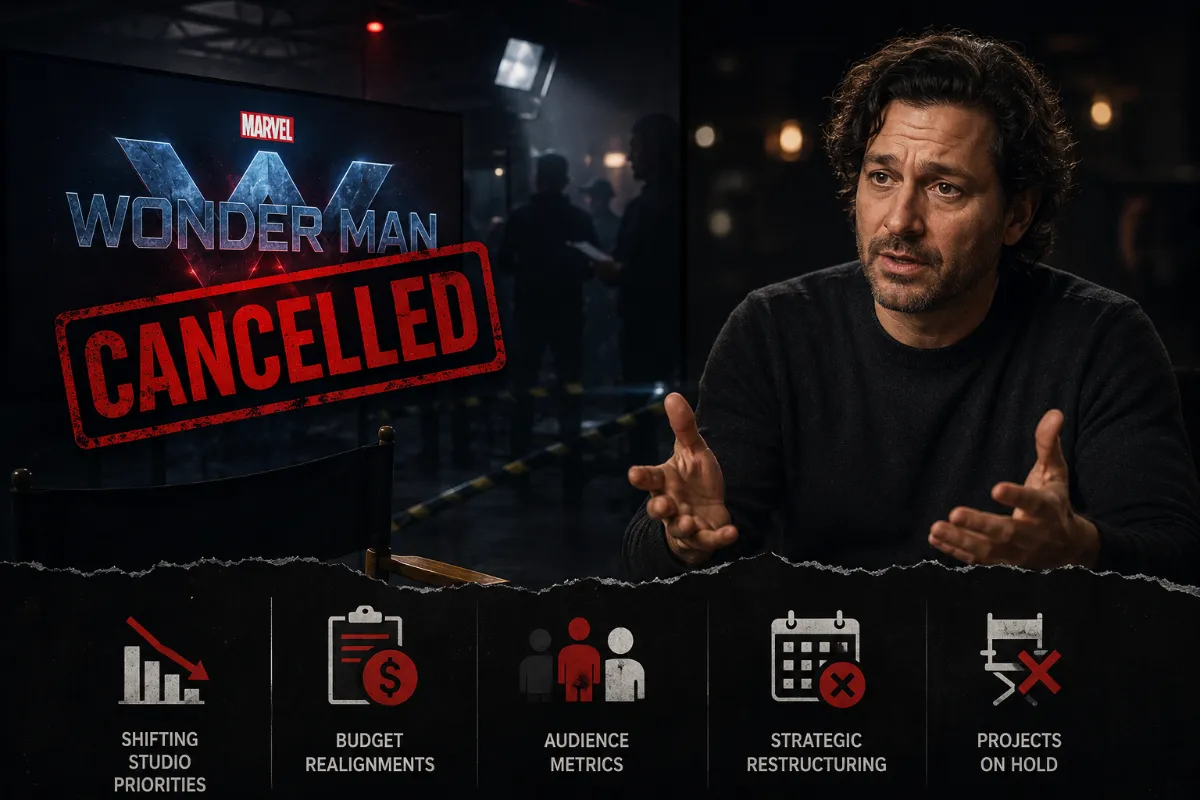
The sudden cancellation of high profile projects has become a hallmark of the current media landscape, where streaming platforms and studio executives face immense pressure to optimize content portfolios. Andrew Guest, the showrunner for Wonder Man, recently shared his reflections on the series' abrupt end. His comments highlight the complex realities of modern production, where creative vision must constantly negotiate with evolving platform strategies and budget constraints.
The Intersection of Fan Feedback and Studio Decisions
Despite positive audience sentiment and a dedicated following, the decision to halt production underscores how rarely public reception dictates the long term survival of a series. In the current economic climate, metrics such as completion rates, production costs, and overall strategic alignment often outweigh the critical acclaim or niche popularity of a project. For showrunners, this creates a volatile environment where the focus must shift from long form storytelling to immediate impact and operational efficiency.
Operational Challenges in Content Production
- Balancing narrative integrity with episodic structure
- Navigating the demands of massive intellectual property requirements
- Aligning creative output with executive scheduling and financial targets
These factors combine to create a landscape where even shows that appear successful are vulnerable to sudden cancellations. The loss of Wonder Man serves as a case study in how the internal mechanisms of major studios operate. It is rarely about the quality of the product itself but rather the alignment of that product with the broader, often shifting, goals of the platform in question.
The Real World Impact
The impact of such cancellations extends beyond the viewers who lose their favorite shows. It affects the creative teams, writers, and technical staff who dedicate months of development to these worlds. While the industry continues to prioritize data driven decision making, the human cost of these changes remains a significant topic for discussion within entertainment circles. Moving forward, creators will need to find ways to build resilient stories that can withstand the whims of studio management while continuing to foster the community engagement that defines the modern streaming era.