Shitty Terminal Emulation Prioritizes Raw Speed Over Memory Safety
An exploration of Shitty, a terminal emulator built for maximum performance, trading safety for raw execution speed.
The Tradeoff of Performance and Safety
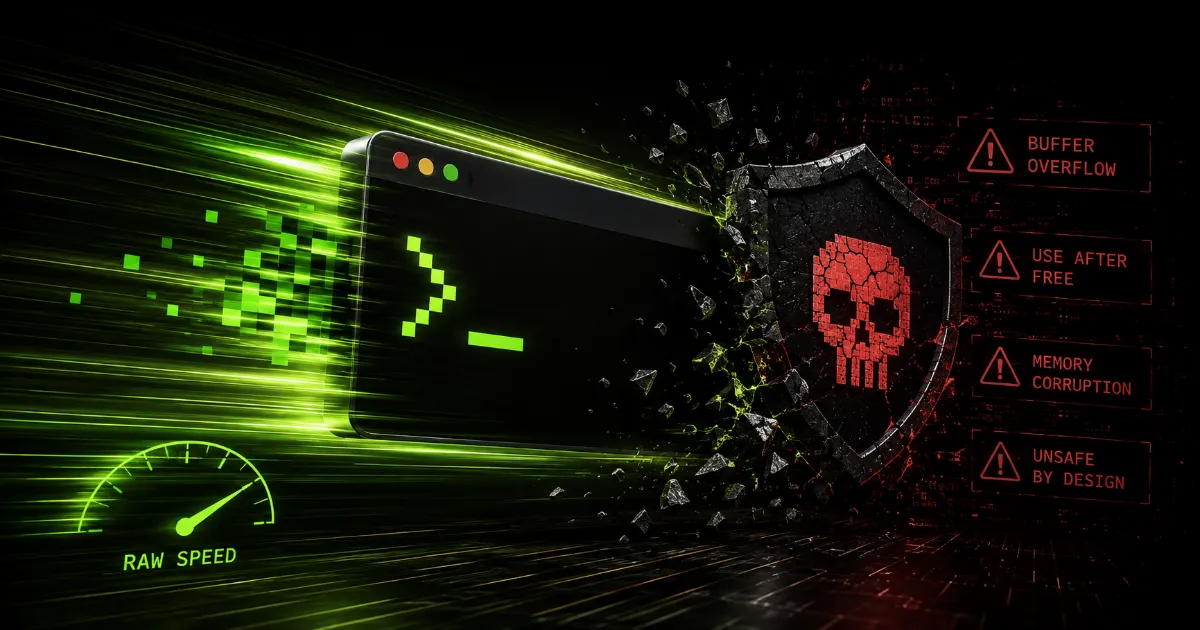
In the world of low level engineering, memory safety is often touted as the gold standard, particularly with the rise of languages like Rust. However, there is a counter culture of developers who prioritize raw, unadulterated performance above all else, even if it means writing code that is inherently memory unsafe. The Shitty terminal emulator is the latest project to embrace this philosophy, offering a terminal interface that claims to outpace its contemporaries by ignoring the safety guardrails that define modern software development.
By intentionally side stepping traditional memory management patterns, the project seeks to eliminate the overhead of checks and balances that usually consume precious CPU cycles. For a terminal emulator, where every character output can represent a bottleneck in high speed streaming environments, this reduction in overhead results in a noticeable performance gain. It is a project for those who understand the risks and are willing to manage them in exchange for blistering responsiveness.
Under the Hood Architecture
Shitty operates by minimizing the distance between data input and the display buffer. Traditional terminal emulators often involve multiple abstraction layers, string parsing routines, and safety wrappers. Shitty cuts through these layers by using raw pointers and direct memory manipulation. It treats the terminal output as a stream of raw bytes, pushing them to the GPU with minimal processing.
- Key Performance Features:
- Zero copy buffer management
- Direct raw pointer manipulation
- Minimal abstraction over system calls
- Optimized rendering paths for high frequency output
Assessing the Developer Tradeoffs
Choosing a memory unsafe terminal emulator is a conscious decision. Users of Shitty must accept the inherent fragility of the codebase. A single malformed input string could lead to a buffer overflow or a segmentation fault. However, for a power user running complex logs through the terminal, the sheer speed of Shitty can justify these risks. It is a reminder that in some corners of computing, speed remains the primary metric of success.
| Metric | Safe Terminal | Shitty Emulator |
|---|---|---|
| Safety Guarantees | High | Negligible |
| Rendering Latency | Moderate | Extremely Low |
| Resource Overhead | Significant | Minimal |
The Road Ahead
Whether or not Shitty becomes a staple in the developer toolkit, its existence proves that there is still a demand for high performance, no frills software. As our computing environments become increasingly complex, there will always be a segment of the population that wants to strip everything away to get to the metal. Projects like this act as a benchmark for what is possible when we stop worrying about every edge case and focus entirely on throughput. It is a raw, dangerous, and fascinating look at what performance looks like when all the safety features are turned off.