Asana Introduces Shared Memory for AI Agents While Keeping Data Silos Secure
Asana rolls out a new agent memory framework that allows team collaboration while enforcing strict enterprise access controls.
Solving the Memory Gap in Enterprise AI
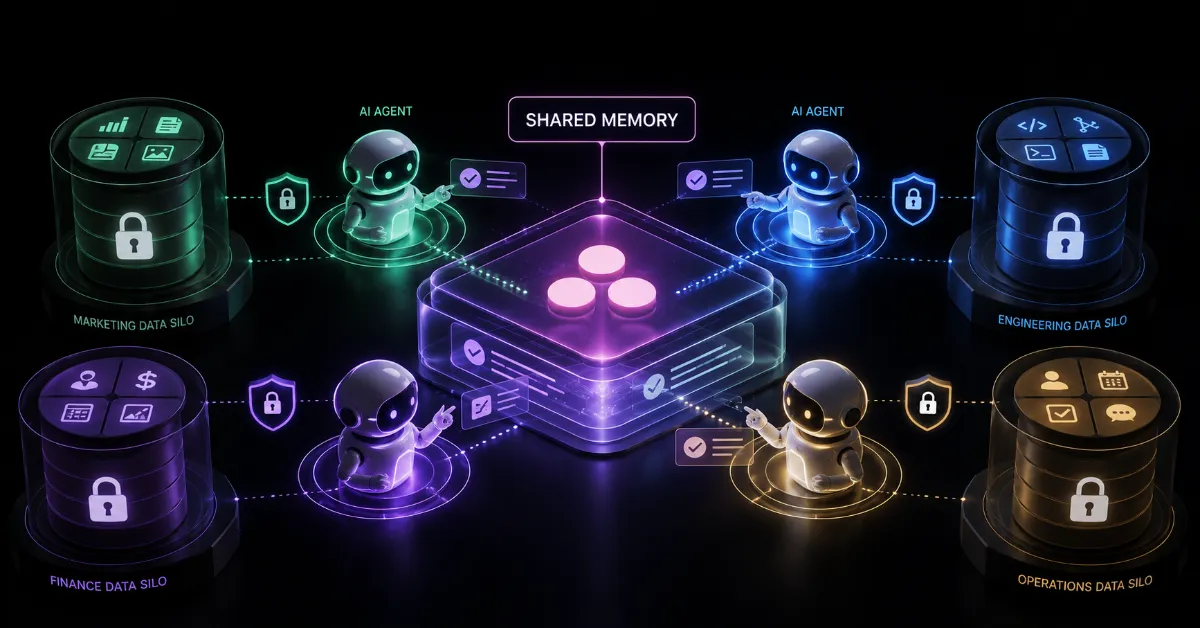
For enterprise teams, the promise of AI agents has often been thwarted by a fundamental technical hurdle: the inability of these systems to retain context across organizational boundaries. When an AI bot provides a solution to a project manager, that knowledge usually dies the moment the chat session closes. Asana is attempting to rewrite this narrative by introducing a sophisticated memory orchestration layer that allows agents to share insights across the enterprise while maintaining the integrity of sensitive data silos. This development marks a maturation in how project management software utilizes large language models to drive actual productivity rather than mere text generation.
The Architecture of Private Shared Memory
The technical challenge Asana addressed is balancing the need for cross team visibility with the imperative of security. By implementing a fine grained access control system at the data layer, the agents only pull information that the human user currently possesses the clearance to see. When a query is initiated, the system performs a vector search across authorized project repositories, ensuring that no unauthorized information is leaked to unauthorized agents. This creates a transparent, fluid environment where insights move as fast as the teams themselves without compromising sensitive corporate secrets.
Why Context Retention Matters
Effective enterprise AI requires continuity. If an agent is tasked with project documentation, it must remember the precedents set in previous sprints. Asana is tackling this through a tiered storage approach:
- User Specific Memory: Stores preferences and personal workflows for optimized individual assistance.
- Project Specific Context: Keeps track of deadlines, dependencies, and team decisions within a specific board.
- Enterprise Level Knowledge: Aggregates non sensitive best practices and organizational policies for universal guidance.
Comparison of Memory Approaches
| Feature | Traditional Chatbots | Asana Agentic Memory |
|---|---|---|
| Scope | Single Session | Cross Project |
| Data Access | Restricted | Permission Aware |
| Context Retention | None | Persistent |
| Security Model | None | RBAC Integrated |
Navigating the Compliance Landscape
Security remains the top concern for IT leaders, and Asana has designed this memory layer with auditability in mind. Every interaction between an agent and the shared memory store is logged, allowing administrators to track what information is being used to inform decisions. This is crucial for heavily regulated industries where maintaining a clear trail of data access is not just best practice, but a regulatory requirement. By embedding these controls directly into the orchestration layer, Asana is lowering the barrier for cautious organizations to adopt AI agents at scale.
Real World Impact
For the end user, this means the end of repeating the same project context to different tools. An agent working in a marketing campaign can pull from the data set created by the design team, provided those permissions are active. This leads to a massive reduction in meeting time and email back and forth. The agent effectively becomes a silent contributor that understands the history and trajectory of the project, filling the gaps that human communication often misses. This isn't just about faster answers; it is about smarter coordination across distributed teams that may otherwise operate in isolation.
The Road Ahead
Asana's focus on structured, secured memory is likely the next standard for enterprise software. The future of productivity will not be defined by which tool has the most advanced model, but by which tool can most effectively leverage the existing proprietary knowledge of an organization. By focusing on the infrastructure of how agents talk to each other and their data, Asana is positioning itself as the central nervous system for modern corporate workflows.