Economic Fallout of Restrictive Import Policies on Solar Inverters
An analysis of the Federal Communications Commission decision to block foreign produced inverters and the potential impact on domestic renewable adoption.
Analyzing the New Regulatory Landscape
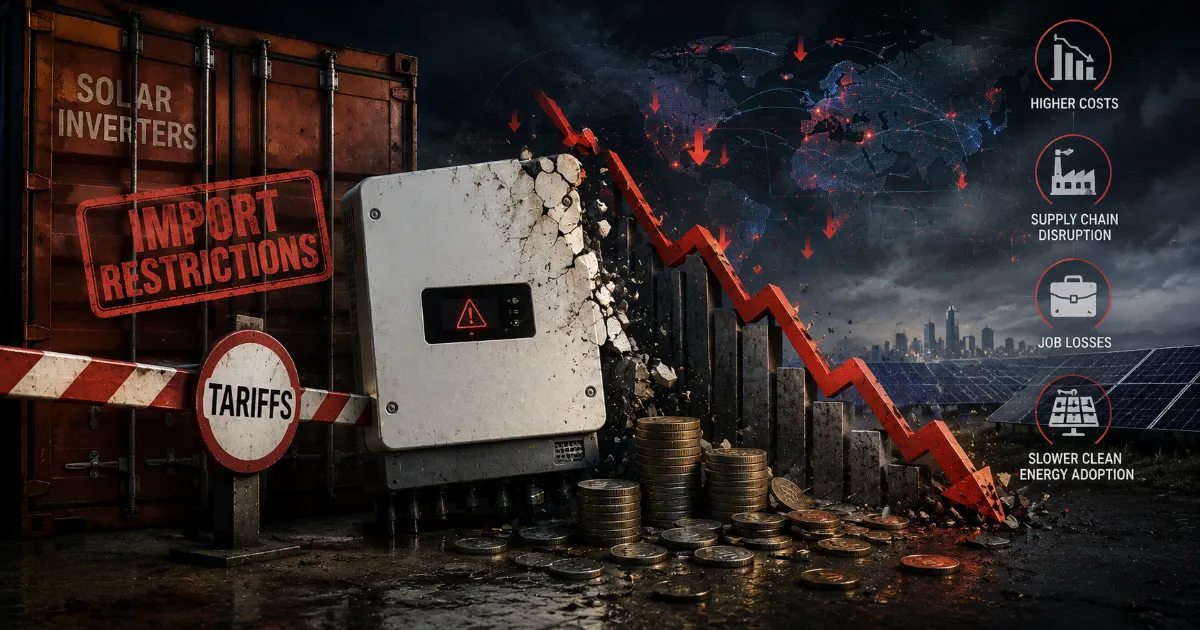
The decision by the Federal Communications Commission to add foreign produced inverters to its restricted list represents a significant pivot in domestic energy policy. By banning the importation of specific inverter models, the government aims to address security concerns regarding the connectivity of these devices to the wider grid. However, the move has immediate consequences for installers, developers, and homeowners who are now facing a fragmented supply chain.
The Role of Inverters in the Modern Grid
Inverters are the brains of any solar installation. They convert direct current from panels into the alternating current used by homes and utility networks. More importantly, they provide the data connectivity required to monitor system health and grid stability. Because they sit at the intersection of power and data, they have become a target for regulatory scrutiny regarding national security and supply chain integrity.
Strategic Challenges for Renewable Adoption
- Supply Shortages: Existing inventory will be depleted rapidly, leading to project delays.
- Increased Costs: Alternative domestic or non restricted sources are currently priced significantly higher.
- Technical Fragmentation: Installations already in progress may face compliance issues if they cannot source authorized hardware.
Evaluating the Cost Benefit Ratio
While the motivation behind restricting these imports is rooted in national security and potential cyber threats, the economic burden of this policy is falling squarely on the renewable energy sector. The cost of transitioning the supply chain is not trivial. Developers are finding that their internal rate of return models are failing due to the sudden jump in hardware expenses. For the United States to meet its energy goals, it needs consistent access to high quality, affordable power electronics.
The Impact on Grid Infrastructure
Architectural Implications
Moving forward, the industry must develop a more robust domestic manufacturing ecosystem for power electronics. Relying on global supply chains is efficient, but it creates structural vulnerabilities that governments will inevitably seek to close. The focus must shift toward creating a sovereign manufacturing capacity that can scale without relying on imports that may be subject to future sanctions or trade bans. This is a long term challenge that requires coordinated support between private industry and federal policy makers.