KisakCOD Brings Competitive Call of Duty 4 Into Modern Ecosystems
An deep dive into the open source reimplementation of Call of Duty 4 Multiplayer and the technical challenges of reviving legacy network code.
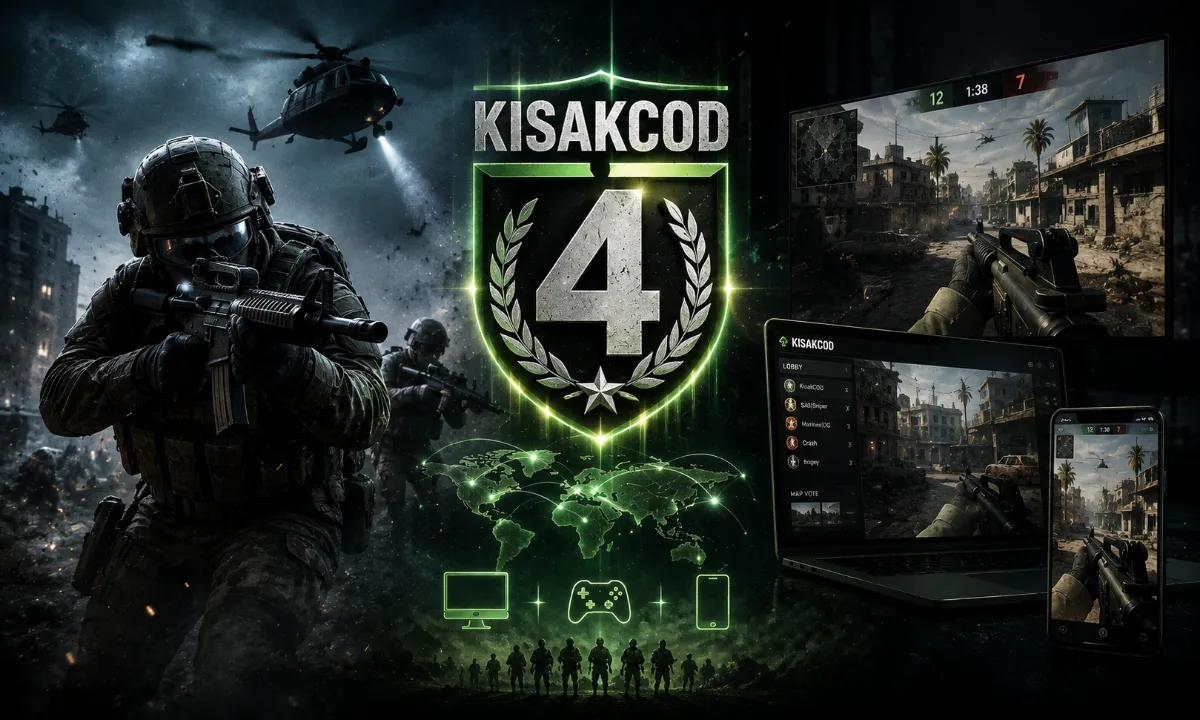
Reviving a Multiplayer Classic
KisakCOD represents a significant achievement in the world of game engine preservation. By creating an open source reimplementation of the Call of Duty 4 Multiplayer stack, the project developers are effectively bypassing the limitations of original binary releases that have long suffered from compatibility issues on modern hardware and operating systems. This project serves as a testbed for reverse engineering complex network protocols and rendering pipelines from the mid 2000s.
Technical Challenges in Network Reimplementation
The primary difficulty in recreating a legacy multiplayer title lies in the synchronization of state between client and server. Call of Duty 4 utilized a specific variant of the id Tech engine, which relies on a strict snapshot based network architecture. Recreating this logic requires deep understanding of how the game handles latency compensation, packet loss, and interpolation. Without access to the original source code, the team has had to painstakingly map out function calls and data structures by observing binary behavior.
Key Architectural Features
- Protocol Compatibility: Aiming for seamless integration with legacy server browser data.
- Cross Platform Support: Enabling native execution on Linux and modern Windows versions.
- Modding API: Exposing core engine functions to allow for community created maps and game modes.
- Performance Optimization: Leveraging modern threading models to reduce CPU overhead during heavy combat scenarios.
The Role of Open Source in Game Preservation
Beyond the nostalgia factor, projects like KisakCOD are vital for the longevity of digital culture. When developers abandon legacy titles, they often leave the community with broken, unplayable, or insecure software. Open source reimplementations provide a secure and stable path forward, ensuring that classic gameplay experiences remain accessible. Furthermore, they provide a valuable learning resource for the next generation of systems programmers and engine developers.
The Road Ahead
The success of this initiative could spark a broader movement toward open source game engine projects. As we see more developers turning their attention toward the preservation of interactive media, the tools and techniques refined by the KisakCOD team will likely become standard. This project is a testament to what is possible when a community commits to the long term maintenance of digital infrastructure, ensuring that the history of gaming is preserved for future generations to explore, analyze, and build upon.