Deconstructing the Hype Cycle in Modern Technological Growth
An analytical perspective on the irrational exuberance surrounding artificial intelligence and the risks of ignoring systemic bubbles.

The Allure of Technological Salvation
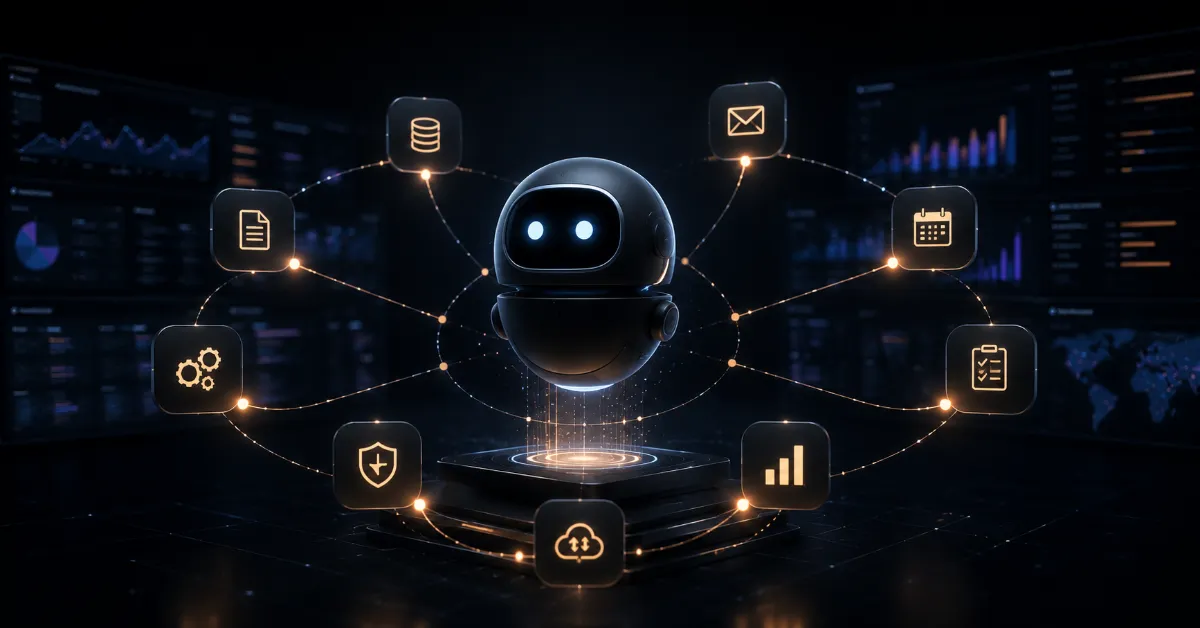
Modern society has developed a distinct propensity for magical thinking when it comes to technology. We often treat emerging tools—especially within the artificial intelligence sector—as autonomous solvers for deep seated structural problems. This is not a new phenomenon, but the speed at which capital is flowing into the current AI bubble suggests that the scale of our current collective delusion is unprecedented. By decoupling technological capability from actual utility, we risk building a foundation of sand that could shift beneath the feet of developers and investors alike.
Architecture of an Artificial Intelligence Bubble
The current trend involves massive overcapitalization of foundational models without clear, scalable pathways to profitability for the average enterprise. When companies pour billions into compute infrastructure while failing to articulate the long term return on investment, we are witnessing a classic bubble mechanism. The danger lies in the allocation of human and financial capital toward projects that prioritize novelty over durability. Software architecture that is designed to capture market hype often lacks the robustness required for mission critical applications.
Measuring Real World Impact vs Speculative Gain
| Attribute | Hype Driven Development | Sustainable Innovation |
|---|---|---|
| Metric of Success | Funding Rounds / Valuation | Unit Economics / Reliability |
| Focus Area | Generative Novelty | Process Efficiency |
| Failure Mode | Capital Exhaustion | Market Irrelevance |
The Cost of Ignoring Systemic Risk
Ignoring the warning signs of a tech bubble has consequences that extend far beyond the stock market. When the hype cycle eventually turns, the resulting contraction often leads to a withdrawal of investment from genuinely useful research. The primary risk is not just the loss of capital; it is the waste of the most talented engineering minds on ephemeral projects that offer no real world improvement to society. A more grounded approach is necessary to ensure that the current wave of technological investment produces lasting infrastructure rather than temporary stock price inflation.
The Real World Impact
Technological progress is a slow, iterative process of improvement, not a sudden leap enabled by a single software update. We must temper our expectations and move away from the magical thinking that defines so much of today’s tech discourse. By focusing on the tangible engineering challenges, the security of our data, and the long term sustainability of our developer ecosystems, we can build a more stable future. The bubble may be inevitable, but the way we navigate the aftermath will define the next decade of technological achievement.