
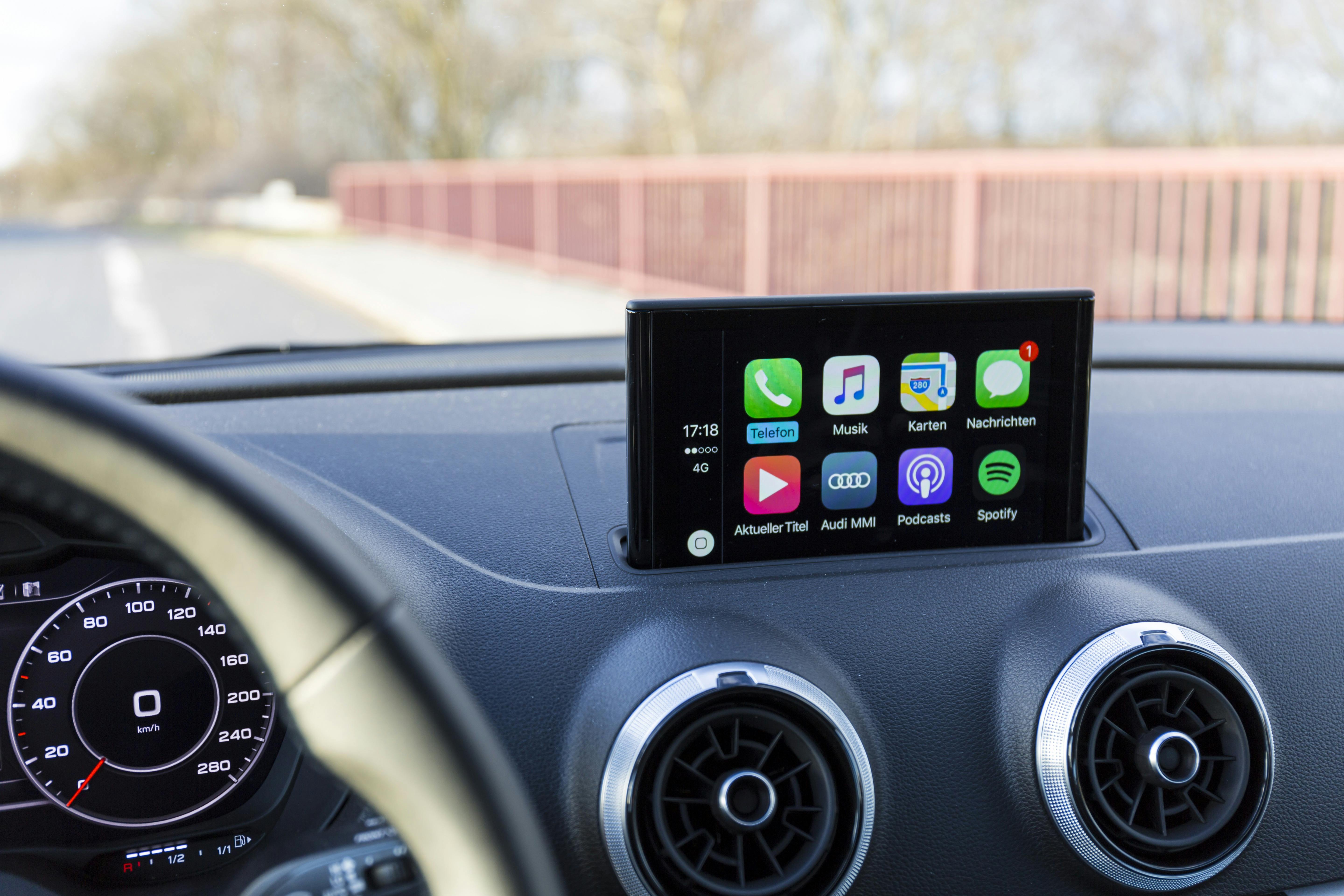
- Subject Overview: Evaluating Dashboard Upgrades With Portable Apple CarPlay Displays — Key developments across Gadgets.
- Technical Context: Detailed analysis of architectural changes, product capabilities, and engineering metrics.
- Industry Impact: Key implications for software developers, startup founders, and enterprise technology adopters.
Understanding Dashboard Upgrades Without Head Unit Swaps
Modern automotive technology moves at a blistering pace, leaving millions of perfectly functional vehicles stranded on the wrong side of the digital divide. Many drivers find themselves operating automobiles that lack native smartphone integration like Apple CarPlay or Android Auto, creating a daily friction point between personal mobile computing and vehicular displays. Traditional solutions required tearing out factory dashboards, messing with complex wiring harnesses, and installing expensive custom double-din head units that often disrupted interior aesthetics. Today, portable dashboard displays bridge this technological gap by mounting directly onto the dash or windshield, connecting instantly to existing audio systems via auxiliary cables or FM transmitters.
The appeal of these standalone monitors lies primarily in their non-invasive installation process and significantly lower total cost of ownership compared to professional audio shop replacements. Car owners no longer need to commit to permanent structural modifications or risk damaging climate control integrations embedded within modern factory faceplates. By plugging a simple power cable into a 12V socket or USB port, users unlock full access to navigation apps, streaming music services, and voice-activated messaging systems. This approach democratizes in-car technology, making advanced driver interfaces accessible to renters, leaseholders, and budget-conscious motorists who want modern conveniences without long-term hardware commitments.
Evaluating the true worth of these devices requires looking closely at how they integrate with existing vehicle audio setups and daily commuting habits. While the installation is undoubtedly simpler, users must contend with dangling power cords, potential dashboard obstruction, and variable screen brightness under direct sunlight conditions. Furthermore, audio routing can sometimes introduce latency or background electrical whine if relying on cheap FM modulators rather than direct auxiliary connections. Understanding these architectural trade-offs helps consumers determine whether a portable display represents a smart productivity investment or merely a temporary Band-Aid for an aging vehicle interior.
Hardware Form Factors And Mounting Engineering
Physical installation mechanics dictate the daily usability of any portable dashboard technology, making mounting solutions a critical factor in hardware selection. Manufacturers typically offer suction cup window mounts or heavy-duty weighted dashboard pads designed to prevent sliding during sharp cornering and sudden braking maneuvers. Choosing the right mounting location involves balancing line-of-sight visibility against potential safety hazards regarding airbag deployment zones and forward windshield obstructions. Engineering robust mounts that minimize vibration on rough roads ensures the touchscreen remains stable enough for accurate finger taps while navigating complex urban intersections.
Display quality represents another crucial consideration when evaluating portable CarPlay units, given the harsh lighting environments found inside automobile cabins. Premium devices utilize high-nit IPS or QLED panels designed to combat glaring sunlight and maintain crisp color reproduction during bright daytime driving conditions. Anti-glare coatings and automatic ambient light sensors help adjust backlight intensity dynamically, preventing eye strain during nighttime commutes while ensuring legibility under glaring midday sun. Developers of these operating systems optimize user interface elements for quick glances, featuring oversized icons and high-contrast text that minimize driver distraction on the highway.
Power delivery and thermal management pose unique engineering challenges for devices stationed on dashboards exposed to direct solar radiation for hours at a time. Portable screens must withstand extreme cabin temperature fluctuations, ranging from freezing winter mornings to scorching summer afternoons without suffering battery swelling or processor throttling. Many modern units omit internal batteries entirely, relying instead on continuous external power feeds to maintain a slimmer profile and eliminate major fire safety hazards associated with lithium-ion degradation inside hot vehicles. This design choice demands reliable power adapters that can handle electrical surges and fluctuations common in automotive power grids.
Audio Routing And Connectivity Trade Offs
Establishing a reliable audio bridge between a portable screen and the vehicle stock sound system remains one of the trickiest hurdles in aftermarket setups. Users generally choose among three primary audio transmission methods, each carrying distinct fidelity and latency characteristics that impact the overall user experience significantly. Direct auxiliary cables deliver the cleanest audio quality with zero interference, but they require physical cable management running from the portable display to the car stereo input jack. Auxiliary connections also fail to work seamlessly if the vehicle head unit lacks a front-facing port, forcing messy wire routing around the gear shift and center console.
Wireless transmission via Bluetooth or FM modulation offers a cleaner aesthetic by eliminating physical audio cables, but introduces notable performance compromises. FM transmitters broadcast audio over a local radio frequency picked up by the car stereo, making them highly susceptible to static interference and local broadcast station bleeding during long road trips. Bluetooth streaming directly to the car stereo works well if the factory head unit supports secondary Bluetooth inputs, but can suffer from audio-visual synchronization delay during video playback or turn-by-turn navigation voice prompts. Weighing these connectivity options helps users optimize their setup for maximum fidelity without sacrificing dashboard cleanliness.
Smartphone tethering protocols powering these displays rely heavily on robust Wi-Fi and Bluetooth handshakes to maintain stable wireless CarPlay or Android Auto sessions upon vehicle startup. Initial pairing procedures require a clean initial configuration, after which the display should automatically reconnect to the user handset within seconds of ignition. Network congestion, interference from dash cameras, and regional cellular dead zones can occasionally disrupt these wireless bridges, requiring manual troubleshooting or system reboots while parked safely. Manufacturers continually release firmware updates to improve protocol stability and enhance compatibility with the latest mobile operating system releases from Apple and Google.
Strategic Value For Fleet And Older Vehicle Owners
Beyond individual consumer applications, portable smart displays offer immense strategic value for commercial fleet operators, rideshare drivers, and delivery businesses utilizing older vehicle inventories. Equipping a fleet with native infotainment upgrades is cost-prohibitive, yet drivers heavily rely on modern navigation, automated dispatching, and hands-free communication tools to maintain operational efficiency. Portable dashboard monitors provide a standardized interface across diverse vehicle makes and models, simplifying driver training and ensuring consistent access to mission-critical logistics software regardless of the underlying car chassis.
From a financial depreciation standpoint, investing in portable technology rather than custom audio installations preserves the residual value and originality of classic or older vehicles. When it comes time to sell or trade in the automobile, the portable display can be detached in seconds, leaving the factory dashboard entirely unblemished and pristine. This modularity appeals strongly to automotive enthusiasts who prefer keeping their vintage car interiors stock while still enjoying modern conveniences like real-time traffic routing and lossless music streaming during weekend road trips. The economic flexibility of moving the device between multiple family cars further enhances its practical utility.
Looking toward the future of automotive accessories, portable tech bridges the gap between rapid software advancement cycles and the comparatively slow hardware replacement rate of consumer vehicles. While car manufacturers design vehicles meant to last fifteen years or more, consumer electronics cycle through major feature revisions every few seasons. Standalone dashboard displays allow users to upgrade their in-car computing power and software features independently of the vehicle itself, simply by replacing the screen when newer processing chips or interface standards emerge. This decoupling of vehicle lifespan from software relevance redefines how drivers modernize their daily commutes.
Related Coverage on TechRoro
- [Gadgets] California Retail Pricing Surveillance Bill Stalls Out in Legislative Deadlock
- [Gadgets] The Identity Verification Crisis Exposing Millions Of Compromised Driver Licenses
- [Gadgets] Securing Digital Assets Understanding Cold Wallet Architecture and Private Key Isolation