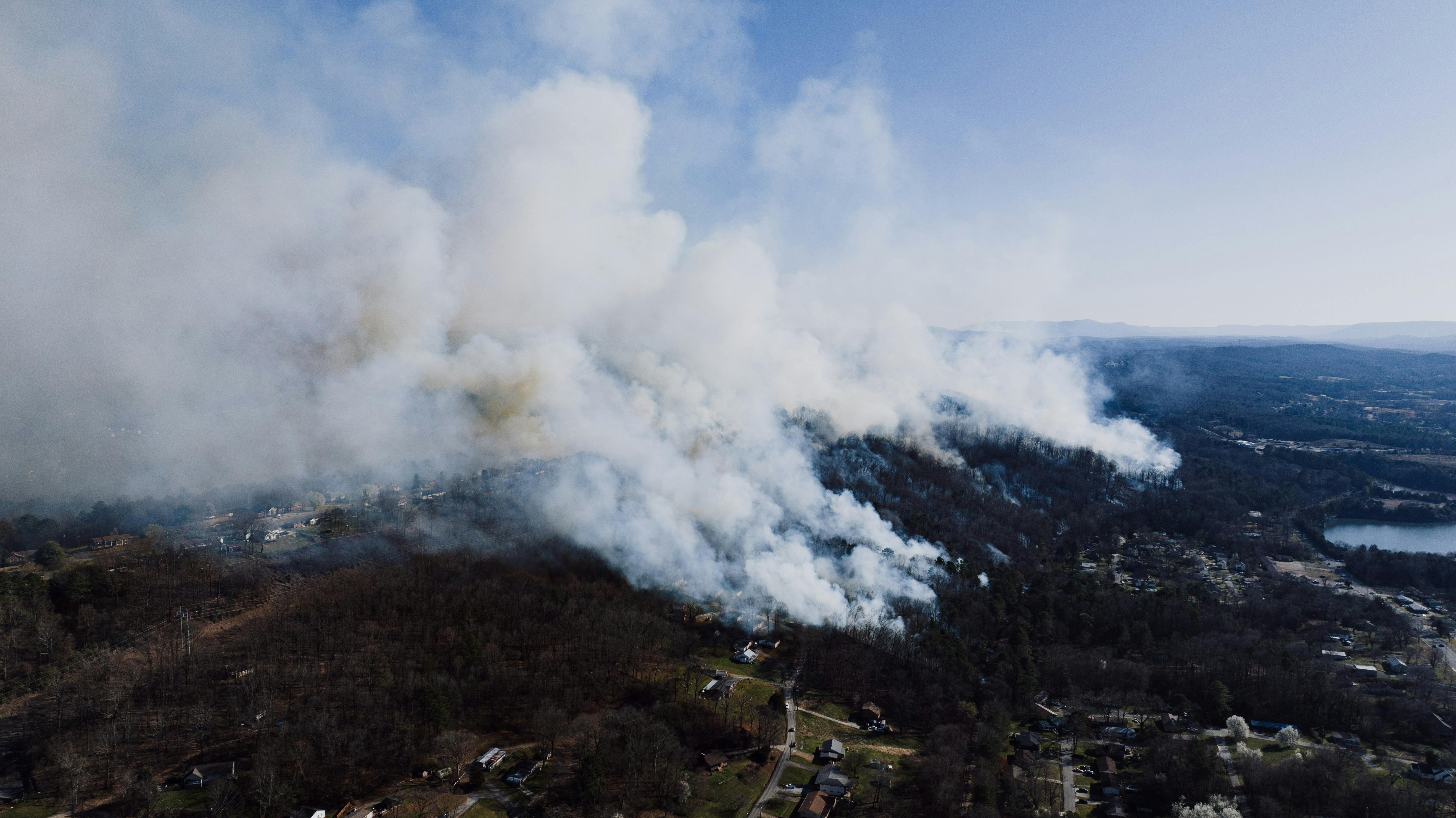

- Subject Overview: Why Global Thermal Records Are Shattering and the Approaching 2027 Heat Crisis — Key developments across Science.
- Technical Context: Detailed analysis of architectural changes, product capabilities, and engineering metrics.
- Industry Impact: Key implications for software developers, startup founders, and enterprise technology adopters.
The Anatomy of a Record Breaking Summer
This year has officially cemented itself as a pivotal moment in climate history. Across the Northern Hemisphere, regions that historically enjoyed mild summers have found themselves under relentless heat domes that refuse to dissipate. Data from climate monitoring stations indicate that June and July represent the hottest two month interval in European history since the advent of systematic record keeping. This is not merely a statistical anomaly but a reflection of a shifted climatic baseline where the frequency of extreme weather events is accelerating beyond previous projections.
In the United States, the contiguous states have faced a sustained endurance test against unprecedented thermal loads. The intensity of this heat is exacerbated by stagnant atmospheric pressure systems, which lock warm air masses in place over densely populated urban centers. These heat islands further intensify the ambient temperature, preventing the standard nocturnal cooling that human biology and local ecosystems require to recover from daily thermal stress. As we move deeper into the decade, the delta between historical averages and current daily highs is widening, suggesting a systemic shift in planetary energy balance.
Understanding the Role of El Nino and Climate Variability
While anthropogenic climate change provides the heavy lifting behind the warming trend, natural climate variability remains a critical piece of the puzzle. The periodic El Nino Southern Oscillation continues to dictate the short term fluctuations in global mean surface temperatures. During active El Nino phases, the ocean releases vast quantities of stored heat into the atmosphere, significantly spiking global average temperatures. When this natural cycle overlaps with a decade characterized by record concentrations of greenhouse gases, the result is a non linear jump in global heat indices.
Researchers are focusing on the feedback loops created by these oceanic cycles. As surface waters in the Pacific remain warmer for longer periods, the moisture capacity of the atmosphere increases. This leads to the paradox of higher temperatures followed by localized, violent atmospheric discharge in the form of extreme precipitation events. For climate modelers, the challenge lies in decoupling the transient impact of El Nino from the secular trend of global warming, as both are now operating at intensities that push current predictive frameworks to their operational limits.
Quantitative Impacts on Global Infrastructure
| Metric | Historical Baseline | Current Trend | Projected 2027 Impact |
|---|---|---|---|
| Mean Surface Temp | +0.8C | +1.3C | +1.6C |
| Heat Dome Duration | 3 to 5 Days | 10 to 14 Days | 20+ Days |
| Energy Grid Demand | Moderate | Extreme | Critical Load Failure |
| Urban Cooling Load | Baseline | Increased 40% | Increased 70% |
- Infrastructure Stress: High ambient heat causes thermal expansion in steel and concrete, potentially compromising the structural integrity of bridges and roadways.
- Energy Grid Vulnerability: Electrical grids are facing unprecedented strain as air conditioning usage surges to record levels, threatening widespread brownouts and localized hardware failures in data centers.
- Water Security: Accelerated evaporation rates are placing significant pressure on municipal reservoirs, necessitating strict water management protocols in formerly water secure regions.
The Predictive Horizon for 2027
Scientific consensus is beginning to coalesce around a troubling forecast for 2027. Climate scientists suggest that the internal momentum of current atmospheric warming, coupled with the anticipated phase shift in oceanic cycles, could make 2027 a significantly more challenging year than even the current summer. The concern is that the latent heat currently being absorbed by the global oceans will eventually be released, providing a secondary thermal shock to the atmosphere that occurs just as land based warming reach a peak cycle.
This future outlook necessitates a reevaluation of urban planning and infrastructure resilience. We are currently building for a climate that no longer exists. For civil engineers and urban planners, the mission now involves integrating climate resilient materials and passive cooling strategies into the very fabric of city design. Without a proactive strategy to mitigate the impact of the predicted 2027 thermal surge, global economic stability may face threats ranging from supply chain interruptions to labor productivity collapses in high heat sectors.
Mitigation Strategies and Global Resilience
Addressing the heat crisis requires a dual pronged approach of aggressive decarbonization and localized adaptation. On a global level, the reduction of carbon equivalent emissions remains the only long term solution to shifting the atmospheric baseline. However, for the immediate horizon, local governments are being forced to adopt immediate mitigation tactics. This includes the widespread adoption of cool roof technology, the expansion of urban canopy coverage to combat heat islands, and the hardening of power grid infrastructure to handle massive influxes of cooling demand.
Furthermore, the tech sector plays a vital role in providing the data required to navigate these challenges. Predictive AI models are being deployed to better anticipate the trajectory of heat domes and their impact on regional energy grids. By optimizing load balancing and energy distribution, smart grid technology can prevent total system failures during peak thermal load events. This digitalization of climate response is becoming a foundational requirement for modern urban management.
The Big Picture
We are entering an era where thermal extremes will dictate the rhythm of global activity. The transition from a stable climate to a high variability, high intensity model is moving faster than many anticipated. The data gathered from this summer serves as a crucial warning for 2027 and beyond. Resilience is no longer a luxury but a fundamental requirement for infrastructure sustainability. By investing in resilient materials, adaptive energy grids, and AI driven predictive modeling, humanity can navigate the shifting climatic landscape. The path forward requires both a global reduction in greenhouse gases and an immediate, localized focus on hardening our existing structures against the reality of a warming world.