
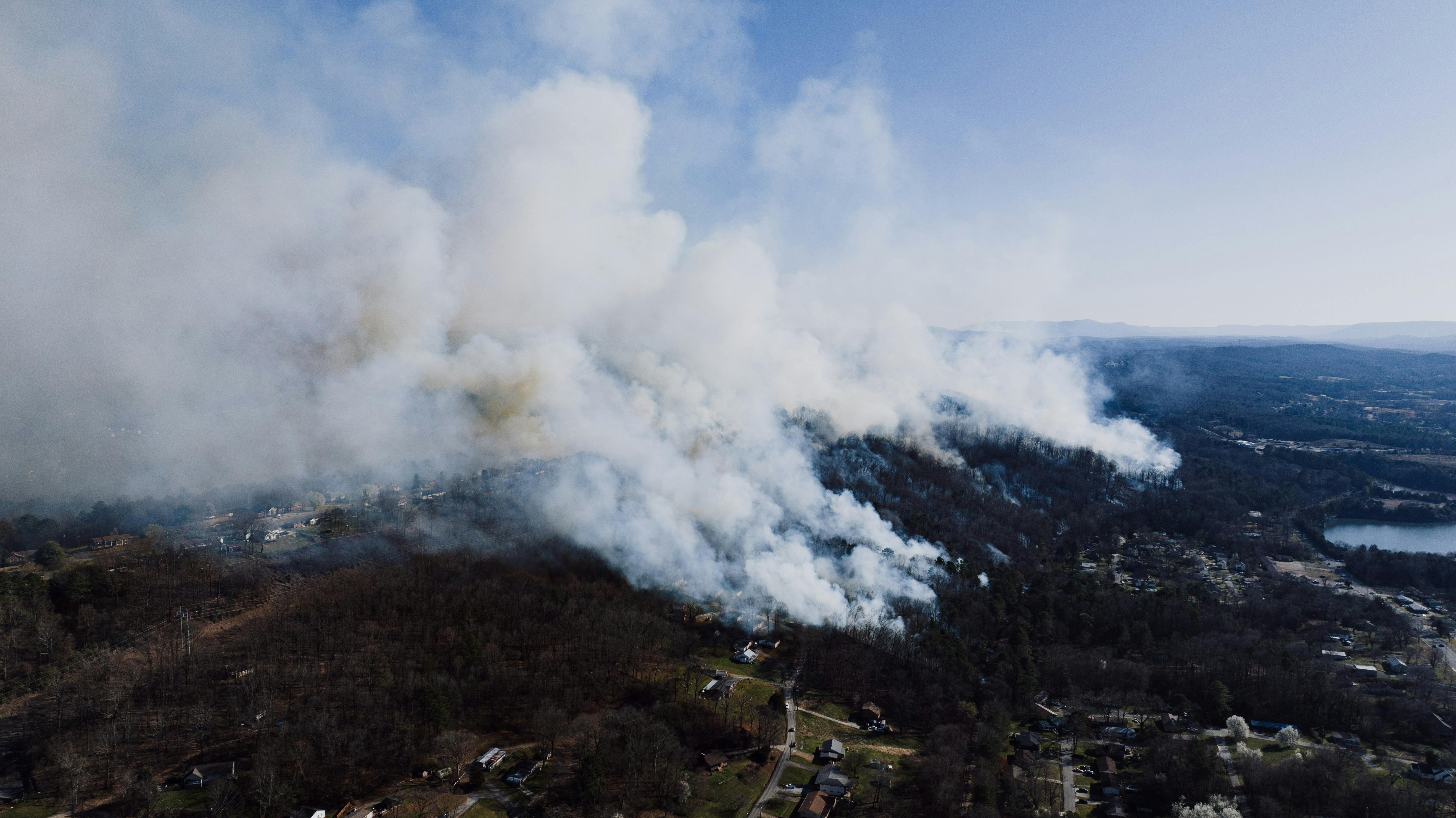
- Subject Overview: Climate Crisis Amplifies Forest Fires Beyond the Capabilities of Traditional Emergency Response — Key developments across Science.
- Technical Context: Detailed analysis of architectural changes, product capabilities, and engineering metrics.
- Industry Impact: Key implications for software developers, startup founders, and enterprise technology adopters.
The Escalating Crisis on the Peatlands of Borneo
The dense tropical forests and sprawling peatlands of Indonesian Borneo are currently facing an unprecedented ecological catastrophe driven by runaway wildfire outbreaks. Exhausted local firefighting squads toil around the clock under punishing tropical heat, battling walls of flame that consume thousands of hectares daily. These relentless blazes routinely outpace conventional emergency response capabilities, rendering traditional containment lines entirely ineffective. Thick, toxic haze blankets surrounding communities, creating severe public health crises and severely disrupting regional transportation networks across the island.
Peatland ecosystems possess unique geological characteristics that make fire suppression exceptionally difficult compared to traditional timberland blazes. Beneath the lush green canopy lies centuries of accumulated organic matter packed tightly into waterlogged soil layers. When prolonged droughts dry out these subterranean peat layers, fires burn downward out of sight, smoldering quietly for weeks beneath the surface. Surface firefighting units can extinguish visible flames, yet underground peat fires continue to spread unchecked, reigniting new surface outbreaks with minimal provocation.
Local authorities and regional disaster management agencies find themselves severely outmatched by the sheer scale and intensity of these contemporary fire seasons. Emergency budgets are frequently depleted within the opening weeks of peak burning periods, leaving field personnel without adequate personal protective equipment. Helicopters equipped with water buckets work tirelessly from dawn until dusk, yet their impact remains negligible against sprawling fire fronts stretching across remote terrain. The psychological toll on weary firefighters operating in extreme conditions has reached critical thresholds, sparking urgent calls for structural operational reforms.
Technical Challenges in Remote Disaster Telemetry and Response
Deploying effective firefighting logistics across the vast, roadless expanses of Indonesian Borneo presents formidable technological and engineering hurdles. Incident commanders lack real-time situational awareness due to patchy cellular connectivity and dense smoke plumes that obscure standard satellite imaging. Without precise telemetry data regarding fire vector velocity and subterranean hot spot mapping, deployment teams often arrive too late or find themselves cut off by shifting winds. Establishing reliable communication relays in remote jungle environments requires ruggedized mesh networking equipment capable of operating in humid, high-temperature conditions.
Geospatial analysts and remote sensing specialists attempt to bridge this intelligence gap by utilizing advanced synthetic aperture radar and thermal infrared satellite constellations. These orbital sensors can penetrate thick smoke blankets to identify subsurface thermal anomalies, guiding ground crews toward hidden peat smoldering zones. However, processing high-resolution imagery in the field demands robust edge computing hardware that can withstand harsh operational environments without failing. Developing localized data processing nodes remains a top priority for international disaster response technical working groups assisting local authorities.
Furthermore, water resource management in remote peatland zones involves complex hydraulic engineering challenges. Firefighting units must pump millions of gallons of water across difficult terrain, requiring high-pressure portable pumps and extensive hose deployment networks. When natural water sources dry up during severe drought cycles, crews must drill emergency boreholes or construct makeshift earthen dams to create reservoirs. These engineering improvisations highlight the desperate need for automated, mobile water purification and delivery systems optimized for tropical wilderness deployment.
The Broader Ecological and Atmospheric Consequences
Beyond immediate local devastation, the Borneo peatland fires release astronomical quantities of sequestered carbon dioxide into the global atmosphere. Peat soils act as massive planetary carbon sinks, storing decades of organic carbon within their saturated depths. When these soils ignite, they unleash long-term greenhouse gas emissions that significantly accelerate global climate feedback loops. Atmospheric monitoring stations record alarming spikes in particulate matter and toxic greenhouse gases drifting across international borders, affecting neighboring countries and amplifying global warming trends.
Biodiversity loss resulting from these recurrent fires threatens numerous endangered endemic species, pushing delicate tropical ecosystems toward irreversible collapse. Iconic fauna such as orangutans, proboscis monkeys, and countless native bird species lose their natural habitats overnight as flames consume primary rainforest tracts. Conservation biologists warn that the frequency of these catastrophic fire events leaves insufficient time for native flora and fauna populations to regenerate naturally. Consequently, once-thriving rainforest canopies risk degrading into impoverished secondary scrublands dominated by fire-resistant invasive species.
Economic ramifications ripple outward through agricultural supply chains, regional tourism markets, and healthcare systems strained by respiratory illness surges. Local farming communities face severe crop losses and degraded soil fertility, compounding poverty rates across rural districts. Regional governments spend vast portions of their fiscal reserves on emergency healthcare interventions and post-disaster rehabilitation efforts rather than long-term sustainable development. This recurring cycle of destruction drains capital resources that could otherwise be allocated toward climate resilience and economic modernization initiatives.
Strategic Imperatives for Climate Resilience and Mitigation
Addressing the root causes of Borneo's escalating fire crisis requires a coordinated international commitment to peatland restoration and sustainable land management. Governments must enforce stringent regulatory penalties against illegal slash-and-burn agricultural clearing practices that frequently trigger wider uncontrolled conflagrations. Re-wetting drained peatlands through the construction of strategic canal blockages represents a proven engineering method to restore natural subsurface moisture levels. These hydrological restoration projects dramatically reduce the vulnerability of peat soils to deep-seated subterranean burning during dry spells.
Technology transfer and capacity building must be prioritized to empower local emergency services with cutting-edge early warning systems and predictive analytics tools. Equipping regional agencies with autonomous drone fleets, AI-driven fire spread forecasting models, and resilient satellite communication links will transform emergency response readiness. International climate finance mechanisms should channel direct support to frontline communities and indigenous land stewards who possess vital traditional knowledge regarding forest conservation. Only through a unified combination of advanced engineering, ecological restoration, and rigorous enforcement can vulnerable regions survive accelerating climate volatility.
Related Coverage on TechRoro
- [Gadgets] The Identity Verification Crisis Exposing Millions Of Compromised Driver Licenses
- [Security] Critical Vulnerability Exposes MikroTik Routers To Unauthenticated SSH Hijacking Attacks
- [Infrastructure] Google Mantis Redefines Vulnerability Scanning Through Intelligent Agentic Orchestration